Certifying a Converted Dirt Bike Meets Federal Safety Standards
So, you’ve got a dirt bike, you love tearing up the trails, but you're also eyeing the open road, perhaps to connect trails or just enjoy a quick hop to the store without trailering your machine. The dream of a street-legal dirt bike in Virginia is enticing, but the path to get there can feel like navigating a maze blindfolded, especially when it comes to understanding how your newly converted machine is supposed to "meet federal safety standards." This guide is here to untangle that knot, walking you through the often-confusing requirements and steps to certify your dirt bike for legal road use in the Commonwealth.
Virginia's Unique Dirt Bike Conversion Opportunity
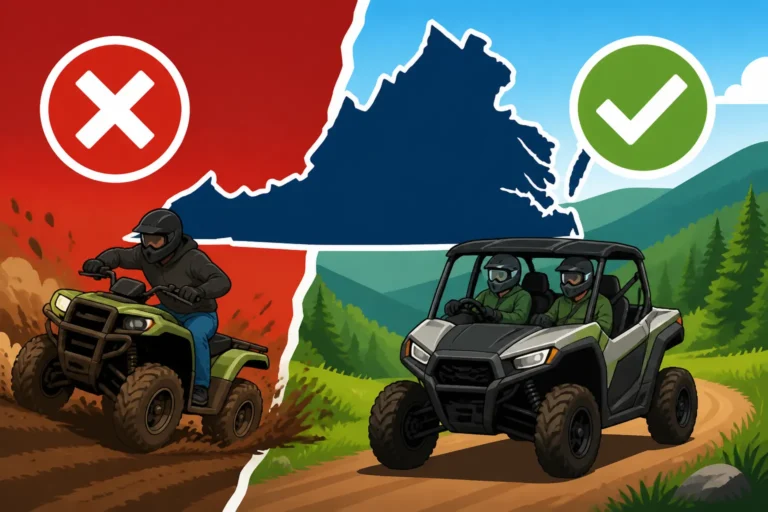
Let's start by clarifying a really important point that often trips people up: In Virginia, the option to convert an off-road machine for street use is almost exclusively for dirt bikes. Many riders dream of putting a tag on their ATV or side-by-side, but that's simply not a route the Commonwealth offers. If you've been wondering [Can a Virginia ATV Be Made Street Legal at All?], the answer is a firm no. This specific pathway, using a form like the VSA 130, is designed with motorcycles in mind, and that includes off-road motorcycles, commonly known as dirt bikes.
The "Dirt Bike Only" Rule in Virginia
Virginia law has a very distinct way of categorizing vehicles, and this is where the dirt bike conversion opportunity springs from. Unlike ATVs and utility vehicles, which are generally considered recreational off-highway vehicles with strict prohibitions on public roads (you can learn more about this in [Virginia ATV Road Rules Under 46.2-915.1]), dirt bikes, or off-road motorcycles as the state defines them, can potentially be reclassified. The DMV recognizes that an off-road motorcycle can, with the proper modifications, become a street-legal motorcycle. This isn't just a loophole; it's a specific process laid out in Virginia's vehicle code. It's a critical distinction, so don't mistake this for a blanket conversion rule for all your off-road toys. If you're curious about the general definitions, take a look at [Virginia Off-Road Motorcycle Definitions].
This unique allowance is a significant benefit for dirt bike enthusiasts who want the flexibility of riding both on and off-road. It means you can invest in the modifications, go through the proper channels, and eventually have a machine that can legally share the asphalt with cars and trucks. For many riders, this versatility is a game-changer, opening up new riding possibilities and making it easier to access trails or simply cruise around town.
Why Federal Standards Become Relevant Here
The moment you decide to take an off-road machine onto public roads, it ceases to be just a recreational vehicle. It becomes a motor vehicle subject to a whole new set of rules, not just state-level traffic laws, but federal safety regulations. These are the Federal Motor Vehicle Safety Standards (FMVSS), established by the National Highway Traffic Safety Administration (NHTSA). When Virginia allows a dirt bike to be converted to street-legal status, it's essentially saying, "Okay, but you need to prove it's now safe enough for the highway."
This isn't just about having a headlight; it's about that headlight meeting specific brightness and aiming standards. It's not just about having tires; it's about having tires rated for highway speeds and conditions. The conversion process is Virginia's way of ensuring that these newly "legalized" motorcycles meet a baseline of safety for everyone on the road. Without adherence to these federal standards, the state can't confidently allow these machines to operate alongside other vehicles, which were designed and built from the ground up to meet those very same safety requirements. It might seem like a bureaucratic hurdle, but it's fundamentally about public safety.
Deconstructing Federal Motor Vehicle Safety Standards (FMVSS) for Your Dirt Bike
So, what exactly are these Federal Motor Vehicle Safety Standards, and how do they apply to a dirt bike that's undergoing a transformation? Essentially, FMVSS are minimum performance standards for motor vehicles or items of motor vehicle equipment. They are designed to prevent deaths and injuries from motor vehicle crashes. When you're converting your dirt bike, you're taking on the responsibility of ensuring it complies with the relevant standards for street-legal motorcycles.
What FMVSS Mean for On-Road Motorcycles
For an on-road motorcycle, FMVSS cover a vast array of components and performance characteristics. These aren't just suggestions; they are mandates that every manufacturer building a motorcycle for sale in the U.S. must meet. When you convert a dirt bike, you are, in effect, becoming a "re-manufacturer" in the eyes of the law, at least in terms of ensuring compliance. This means your bike needs to have specific safety features and perform within certain parameters to be deemed roadworthy. This is a much more rigorous standard than what's expected of a purely off-road machine, which might only need a spark arrester and a functional kill switch.
Think about the difference between a dirt bike's knobby tire, designed for maximum grip in mud and loose terrain, versus a street bike's smooth, round tire, optimized for traction on asphalt at higher speeds and cornering angles. Both are tires, but their design and intended use are vastly different, reflecting the distinct safety standards required for their respective environments. The conversion process is about bridging that gap and proving that your bike has undergone a sufficient transformation to safely handle the demands of public roads.
Key Safety Components and Performance Expectations
When it comes to dirt bike conversions, several specific FMVSS areas come into sharp focus. These are the components you'll need to add or upgrade to ensure your bike meets the requirements:
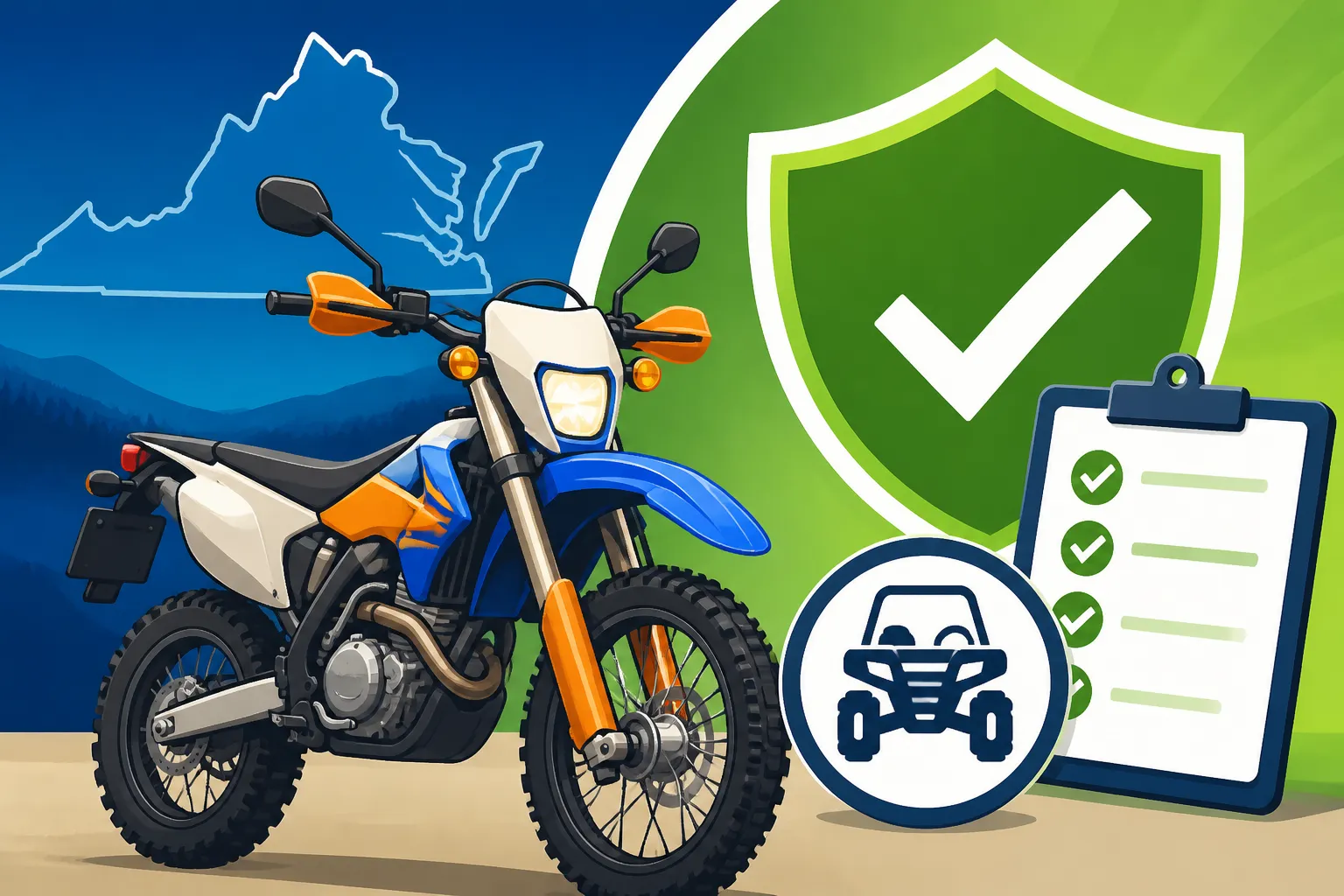
- Lighting: This is paramount. You'll need a DOT-approved headlight (with high and low beams), a taillight, a brake light, and turn signals (front and rear). These aren't just for visibility; they need to meet specific photometric (light output) and aiming requirements.
- Mirrors: At least one, but usually two, rearview mirrors are required to provide the rider with a clear view of the road behind. They need to be securely mounted and offer an adequate field of vision.
- Horn: A working horn, audible from a certain distance, is essential for signaling other motorists.
- Brakes: Your braking system needs to be robust and effective, capable of bringing the bike to a stop within specified distances. While dirt bikes have brakes, they might need adjustment or enhancement for consistent road performance.
- Tires: As mentioned, your tires must be DOT-approved for highway use. Knobby off-road tires, while great in the dirt, are not safe or legal for prolonged road use.
- Speedometer and Odometer: While [Virginia Skips the Odometer Rule for ATVs], it's crucial for street-legal motorcycles. You need a functioning speedometer to monitor your speed and an odometer to track mileage, which is important for maintenance and potential resale.
- Muffler/Exhaust: While dirt bikes have mufflers, your converted machine will need one that meets legal sound limits for street vehicles. Loud exhausts can lead to citations.
- Fenders: Fenders are typically required to prevent water and debris from being thrown up by the tires onto other vehicles or the rider.
These components are typically inspected when you go through the conversion process. The inspector isn't usually conducting laboratory-grade FMVSS testing, but rather verifying the presence and apparent functionality of these DOT-compliant components. It's about ensuring that your bike has the equipment designed to meet these standards.
The Step-by-Step Path to Certification and Titling in Virginia
Okay, so you understand the "why" behind the federal standards. Now for the "how." The actual process in Virginia involves a series of steps from modifying your machine to getting your paperwork in order and submitting it to the DMV. It's a journey that requires patience and attention to detail.
Gathering the Necessary Conversion Components
Before you even think about visiting the DMV, your dirt bike needs to undergo its metamorphosis. This is where you'll be installing all those critical components we just discussed. Think of it as outfitting your bike for a new career on the asphalt. You’ll need to purchase and install:
- DOT-approved tires: Replace those aggressive knobbies with tires designed for street use.
- Headlight, taillight, brake light: Ensure these are properly wired and meet DOT specifications. Many kits are available that integrate these.
- Turn signals: Front and rear, clearly visible.
- Mirrors: Two side mirrors are generally preferred for optimal visibility.
- Horn: A proper, audible horn.
- Speedometer/Odometer: An integrated unit or separate components that function correctly.
- Wiring harness and battery: To power all the new electrical components, if your dirt bike didn't already have a robust system.
- License plate bracket and light: To properly display your future license plate.
- Muffler: Ensure it's not excessively loud for street use.
Many aftermarket companies specialize in "dual sport" conversion kits that provide many of these components in a single package, often with instructions tailored for various dirt bike models. These kits can be a great way to ensure you're getting compatible and compliant parts. The goal here is a truly functional, safe, and legally equipped motorcycle, not just a bare-bones conversion.
Navigating the Inspection and Paperwork Process
Once your dirt bike is fully converted, the next step involves an inspection and crucial paperwork. You'll need to have your modified dirt bike inspected by a Virginia State Police safety inspection station (the same type that inspects cars and trucks). They will verify that your bike has all the required safety equipment for a street-legal motorcycle. This isn't just a quick look-over; they'll check lights, brakes, horn, mirrors, tires, and ensure everything is securely mounted and operational.
After a successful inspection, you'll need to complete Virginia Form VSA 130, titled "Application for Converted Off-Road Motorcycle or All-Terrain Vehicle to an On-Road Motorcycle." Yes, the form mentions ATVs, but as we discussed, the practical application for street-legal conversion is almost exclusively for dirt bikes. This form requires you to certify that your machine meets all federal and state requirements for street use. It's essentially your formal declaration of compliance. You'll also need supporting documents, such as your original title or manufacturer's statement of origin (MSO) for the dirt bike, a bill of sale, and proof of your Virginia residency. This is where you might also prepare an affidavit, formally declaring that you have indeed converted the vehicle to meet federal safety standards. Many riders find online legal document services like LawDepot helpful for drafting such affidavits, ensuring they use correct legal language and cover all necessary points. Having a well-prepared affidavit, perhaps drafted with the assistance of a platform like LawDepot, can demonstrate your diligence in the conversion process. Remember, you'll need to know [Who Signs Form VSA 130 for a Converted Dirt Bike] – it's typically you, the owner.
| Component Category | Off-Road Dirt Bike (Pre-Conversion) | Street-Legal Motorcycle (Post-Conversion) |
|---|---|---|
| Tires | Knobby, off-road specific | DOT-approved, highway rated |
| Headlight | Often basic, off-road focused | DOT-approved, high/low beam, proper aim |
| Taillight | Basic, often integrated with brake | DOT-approved, always on when running |
| Brake Light | Yes, for rear brake | DOT-approved, activates with both brakes |
| Turn Signals | Rarely present | Front & rear, amber, functional |
| Mirrors | Optional, usually one or none | Two, securely mounted, clear view |
| Horn | Often none or weak | Audible, functional |
| Speedometer | Optional, typically GPS or none | Required, accurate |
| Odometer | Optional, typically hour meter | Required, tracks mileage |
| Muffler | Spark arrester, often loud | Compliant with street noise limits |
| License Plate Mount | None | Required, illuminated |
Submitting Your Application to Richmond
Once you have your completed VSA 130, your inspection report, original title/MSO, bill of sale, and any supporting affidavits or declarations (which you might have formalized using a service like LawDepot), you cannot just walk into your local DMV customer service center. This is a special process, and these applications are handled centrally. You must mail your entire packet of documentation to the Virginia DMV's headquarters in Richmond.
This is a point of frequent confusion for many riders. [Why a Virginia DMV Branch Cannot Title a Conversion] is simply because the expertise and authority for these unique reclassifications reside with a specialized team in Richmond. They review each application meticulously to ensure all requirements are met before issuing a new title that reflects the "street legal" status of your dirt bike. Make sure to keep copies of everything you send, and consider sending it via certified mail so you have a tracking record. The processing time can vary, so be prepared for a wait. You can get an idea of general wait times from [Virginia Title Processing Time], but specialized applications like conversions might take longer.
Anticipating Challenges and Ensuring a Smooth Conversion
Converting a dirt bike to be street-legal in Virginia is absolutely achievable, but it's not without its potential headaches. Being prepared for the common challenges can save you a lot of frustration and ensure your application sails through the process more smoothly.
Common Reasons for Rejection and How to Avoid Them
The DMV isn't looking to deny your application; they just need to ensure everything is above board and safe. However, there are common reasons applications get rejected or delayed:
- Incomplete Paperwork: This is probably the number one reason. Missing a signature, an original document, or failing to provide all the necessary information on Form VSA 130 will lead to your application being sent back. Double-check every blank and ensure all required attachments are included.
- Failed Inspection: If your bike doesn't pass the State Police inspection, you'll need to address the issues, get it re-inspected, and resubmit the updated inspection report. This often comes down to components not being DOT-approved, or not being securely mounted and functional.
- Lack of Proof of Ownership: If you don't have a clear chain of ownership, such as the original MSO or a properly assigned title, the DMV cannot issue you a new title. This is particularly common with older dirt bikes that might have been bought second-hand without proper documentation. You might even use a service like LawDepot to help draft a bill of sale or affidavit if previous records are sparse, though the DMV has very specific requirements for proving ownership when records are missing.
- Incorrect Vehicle Type: Trying to convert an ATV or UTV using this process will immediately result in rejection. The form is for motorcycles, and the state's conversion path is only for dirt bikes. The DMV is very clear on [The Street-Legal Path Open to Dirt Bikes Alone].
- Poor Quality Modifications: While the State Police inspector focuses on functionality, the DMV reviews all submitted information. If your modifications appear shoddy or unsafe, it could raise red flags, even if an inspection was technically passed.
To avoid these pitfalls, be meticulous. Read all instructions carefully, complete forms thoroughly, and invest in quality, DOT-compliant conversion parts. If you're creating any custom declarations or legal statements, consider using a reliable platform like LawDepot to ensure they are professionally structured.
The Importance of Meticulous Documentation
Given the unique nature of this conversion process, robust documentation is your best friend. Every piece of paper you submit tells a part of your story and demonstrates your compliance. This includes:
- Original Title or MSO: This proves your starting point.
- Bills of Sale: For the bike itself and any major components you purchased for the conversion.
- State Police Inspection Report: Proof that your bike passed the physical safety check.
- Completed VSA 130: Your application and declaration of conversion.
- Photographs: While not always required, clear photos of your converted bike showing all the new components can be helpful.
- Any Affidavits: If you're providing additional statements about the conversion or historical ownership, having these notarized and clearly written (perhaps with assistance from a tool like LawDepot for proper legal formatting) adds significant weight.
Keeping organized copies of everything, not just what you send to Richmond, is crucial. If the DMV has questions or requests further information, you'll have everything at your fingertips. This thoroughness not only helps your application, but also serves as your record of compliance for future reference, such as when you might need to prove you indeed met [Virginia Helmet Standards From the State Police] as a converted motorcycle.
Disclaimer
This article is for general informational purposes only and does not constitute professional advice. Laws, prices and regulations vary by location and change over time. Consult a qualified professional for guidance on your specific situation.