How to Title an ATV in Virginia
So you just bought an ATV or side-by-side, or maybe you're thinking about it, and now you're staring down the barrel of paperwork, wondering how on earth you're supposed to get it legally recognized in Virginia. It can feel like a maze, especially since ATVs aren't treated quite like cars when it comes to the DMV. This guide is here to walk you through the entire process of titling your ATV in Virginia, breaking down what you need, why you need it, and how to get it done without pulling your hair out.
Understanding Virginia's ATV Titling Philosophy
First things first, let's clear up a common misconception that causes a lot of headaches: in Virginia, ATVs and UTVs are titled, but they are not registered in the same way cars are. You won't get a license plate or yearly stickers for your off-road machine to put on a public road, because [Virginia Titles ATVs but Never Registers Them]. This is a huge difference from street-legal vehicles and it often confuses new owners. The title essentially serves as your proof of ownership, a crucial document for buying, selling, and proving that machine is yours.
Why Titling is Required (and Sometimes Optional)
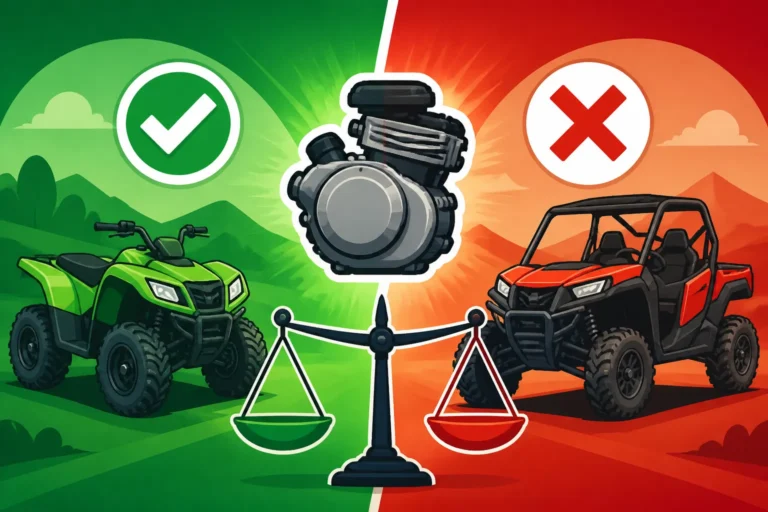
The rules around ATV titling in Virginia have a specific history and a few key distinctions. Generally speaking, if you bought a new ATV or utility vehicle that has an engine displacement of more than 50cc on or after July 1, 2006, you are absolutely required to title it. This means if you walk into a dealership today and buy a brand-new quad, you'll be going through the titling process. [Virginia Titles Required on Machines Over 50cc] is a critical threshold to remember. Machines under 50cc, often youth models, typically do not require a title, which simplifies things for families with younger riders.
However, things get a bit more nuanced when it comes to used machines or those purchased before that 2006 cutoff. If you bought an ATV used, Virginia's rules are quite different: [Virginia Used ATVs Need No Title]. This doesn't mean you shouldn't title it; in fact, many owners choose to title their used quads for their own peace of mind, especially if they plan to sell it later or if a lender requires it. But legally, it's optional for previously owned machines. The whole system stems from [Virginia's July 2006 Titling Cutoff], which fundamentally changed how ATVs were treated in the state. So, if you're holding onto a vintage quad bought new in 2005, the rules might be different than for a machine bought new just a year later.
The Benefit of Having a Title
Even if titling your used ATV is optional, having a title offers significant benefits. For starters, it’s the definitive legal document proving you own the machine. Imagine if your ATV was stolen; without a title, proving it belongs to you could become a legal nightmare, making it much harder for law enforcement to recover or for your insurance company to process a claim. A title provides a clear, official paper trail of ownership.
Furthermore, if you ever decide to sell your ATV, having a Virginia title will make the process smoother and more transparent for both you and the buyer. Most savvy buyers will prefer to purchase a machine with a clear title, as it eliminates questions about previous ownership and potential liens. It also makes it easier to track the machine's history, giving buyers more confidence. For those financing their purchase, banks or credit unions almost always require a title to secure their loan, so getting it done is non-negotiable if you’re borrowing money. [Why a Lender Wants a Virginia ATV Titled] is often the deciding factor for owners of used machines.
Gathering Your Essential Paperwork for a Virginia ATV Title
Navigating the paperwork for ATV titling in Virginia can feel like a scavenger hunt, but with the right checklist, it's totally manageable. The documents you'll need depend largely on whether your ATV is brand new or pre-owned. Getting this step right is crucial, as missing even one piece of paper can lead to frustrating delays at the DMV.
Required Documents for a New ATV
When you buy a brand-new ATV from a dealership, the process typically starts with the manufacturer's statement of origin (MSO). This is like a birth certificate for your machine and is the most important document you’ll receive. The MSO verifies that the ATV is new, provides its vehicle identification number (VIN), and confirms that it meets federal safety standards. Your dealer will usually provide this to you, or they might even handle the titling application on your behalf, which is a big convenience. [The MSO You Need to Title a New Quad] is non-negotiable for a new machine.
Along with the MSO, you'll need to complete a Virginia Application for Certificate of Title and Registration, which is Form VSA 17A. This form requires information about you, the buyer, and details about the ATV itself, such as the make, model, year, and VIN. You'll also need to show proof of your identity and residency, such as a valid Virginia driver's license and a utility bill or lease agreement with your current address. Don't forget the money for the title fee and sales tax. While ATVs don't get the specific vehicle sales tax rate, they are subject to the state's retail sales tax. [Virginia Sales Tax at Titling] will be calculated based on the purchase price.
Required Documents for a Used ATV (When Titling is Optional)
If you're opting to title a used ATV, the paperwork trail can be a little less straightforward, especially if the previous owner never titled it. Ideally, you’ll have a properly assigned title from the seller. This means the seller would have signed and dated the back of their existing Virginia title, transferring ownership to you. This is the cleanest and most recommended method. [Getting the Seller to Sign the Old Title Over] is key here.
However, if the used ATV was never titled, or if the seller lost the title, you'll need alternative proof of ownership. A notarized bill of sale is absolutely essential in this scenario. This document should include the ATV's year, make, model, VIN, the purchase price, the date of sale, and the full names and signatures of both the buyer and the seller. If you're struggling to create a robust bill of sale, services like LawDepot can help you generate legally sound documents quickly and easily. Additionally, if the seller should have had a title but lost it, they might need to complete a [Virginia Form VSA 12M Affidavit] – an Affidavit in Lieu of Title – to attest to their ownership. This form often needs to be notarized, adding another step but providing necessary legal weight to the claim of ownership. You will still need to complete Form VSA 17A, proof of identity, and pay the applicable fees and taxes.
Table: Key Documents for Virginia ATV Titling
| Scenario | Primary Ownership Document | Virginia DMV Form | Proof of Identity/Residency | Financial Obligation | Additional Notes |
|---|---|---|---|---|---|
| New ATV from Dealer | Manufacturer's Statement of Origin (MSO) | VSA 17A | Valid Photo ID, Address Proof | Title Fee, Sales Tax | Dealer often handles submission. [Virginia Form VSA 17A Explained] |
| Used ATV with Title | Properly Assigned Virginia Title | VSA 17A | Valid Photo ID, Address Proof | Title Fee, Sales Tax | Seller must sign title over. |
| Used ATV, No Title | Notarized Bill of Sale | VSA 17A | Valid Photo ID, Address Proof | Title Fee, Sales Tax (if applicable) | May need VSA 12M Affidavit if previous owner lost title. Use LawDepot for bill of sale. |
| Out-of-State Purchase | Out-of-State Title or MSO | VSA 17A | Valid Photo ID, Address Proof | Title Fee, Use Tax | May need VIN verification. Virginia Titles for a Machine Bought Out of State |
The Importance of a Bill of Sale
Even if you have an existing title from a seller, it's always a good idea to create and keep a bill of sale. It provides a detailed record of the transaction, protecting both the buyer and the seller. This document specifies the condition of the ATV at the time of sale, any agreed-upon warranties (or lack thereof), and details like the VIN, mileage (or hours for ATVs), and the final price.
For private sales, especially those without an existing title, a comprehensive bill of sale is your best friend. It can prevent future disputes and clarifies the terms of the sale. If you're doing a private sale, consider using a reputable template from a service like LawDepot to ensure all the necessary legal language is included. It’s an easy way to cover your bases and ensure you have all your ducks in a row. Having a proper bill of sale can also be crucial if there's ever a question about the purchase price for sales tax purposes, preventing the DMV from estimating the value.
Navigating the Titling Process at the Virginia DMV
Once you've gathered all your documents, it's time to actually get that title. You have a couple of options for submitting your application: in person at a DMV Customer Service Center or by mail. While mailing might seem convenient, going in person can often be faster, especially if you anticipate any questions or need to clarify details.
Submitting Your Application In Person
Heading to a Virginia DMV Customer Service Center is often the quickest way to get your ATV titled. When you go, be sure to bring all your original documents, including your MSO or assigned title, completed VSA 17A form, proof of identity and residency, and payment for the title fee and sales tax. [What to Bring to the DMV to Title a Quad] is a good checklist to review before you leave the house. DMV staff can verify your documents on the spot and process your application. This immediate feedback can save you from potential delays that might occur with a mailed application if something is incorrect or missing.
While you're at the DMV, they will review everything. The clerk will verify your identification, check the VIN on your MSO or previous title against your VSA 17A, and calculate the sales tax. Remember, the [Virginia Title Fee of $15] is a fixed cost, but sales tax will vary based on your purchase price and regional rates. Be prepared to pay these fees. Once processed, you'll usually receive a temporary registration receipt, and your official title will be mailed to you within a few weeks. Don't expect to walk out with the physical title in hand; it typically gets printed and mailed from a central facility.
Submitting Your Application By Mail
For those who prefer to avoid a trip to the DMV or live far from a Customer Service Center, submitting your application by mail is an option. You'll need to carefully complete all the required forms, make copies of your supporting documents (for your records), and mail the originals along with a check or money order for the total fees to the Virginia DMV. It's crucial to ensure every blank is filled out correctly and all signatures are in place, especially if an affidavit or bill of sale requires notarization. Using a service like LawDepot to ensure your bill of sale is comprehensive can reduce the chances of your mailed application being rejected.
The downside to mailing is the processing time. It can take several weeks for the DMV to receive, process, and mail back your title. If there are any errors or missing documents, they will mail your packet back to you, which means even more delays. Always send important documents via certified mail with a return receipt requested, so you have proof of when and if the DMV received your application. This small extra step can save a lot of headaches if your paperwork gets lost in transit. For the most up-to-date mailing address, always check the official Virginia DMV website or the instructions on Form VSA 17A.
Special Situations: When Things Get Tricky
Life isn't always straightforward, and sometimes your ATV titling situation might be a bit more complex. What if you bought your ATV out of state and are bringing it into Virginia? Or what if you inherited a machine that has no title? These scenarios require a bit of extra attention.
If you're a new resident moving to Virginia with an ATV you already own, the process is similar to titling a used machine. You'll need your out-of-state title and proof of Virginia residency. The DMV will then issue you a new Virginia title. Sometimes, if the out-of-state title isn't clear or if you bought it from a state that doesn't title ATVs, you might need additional documentation like a notarized bill of sale and perhaps a VIN inspection to verify the machine's identity. [Virginia Title for a New Resident] covers these specific requirements.
For inherited ATVs, things can get particularly complicated without proper estate planning. You'll typically need a copy of the death certificate, the will (if applicable), and documentation from the executor of the estate authorizing the transfer of ownership. If there was no will, or if the estate process is complex, you might need additional legal affidavits or court orders to prove your right to the machine. In these cases, it's wise to consult with an attorney or use legal document services like LawDepot to help draft any necessary affidavits or agreements between heirs. The DMV has specific forms for handling estate transfers, so be sure to ask for the correct ones. [Virginia Titles for an Inherited Machine] outlines the necessary steps and forms for this sensitive process.
No matter your specific situation, remember that the Virginia DMV's goal is to ensure clear ownership and collect any applicable taxes. Being prepared, patient, and having all your documents in order, possibly with the help of a service like LawDepot for custom documents, will make the process as smooth as possible.
Disclaimer
This article is for general informational purposes only and does not constitute professional advice. Laws, prices and regulations vary by location and change over time. Consult a qualified professional for guidance on your specific situation.