Proving Coalfield Residency When You Buy a Spearhead Permit
The discounted Spearhead permit can make riding more affordable, but only if you qualify as a resident of an eligible county and can verify that residency during purchase. A mailing address, cabin, or favorite trailhead may not be enough. Here’s how to prepare your information, handle an address mismatch, and avoid relying on a discount before it’s confirmed.
What the Coalfield Resident Discount Is Based On
Spearhead’s resident discount is tied to where you live, not simply where you ride. The program offers a lower permit price to eligible residents of designated counties. That makes it important to distinguish your permanent or primary residence from a place you visit, own, or use seasonally.
The eligible county list and the discount are program details, so check the current requirements before you start an application. County eligibility can be easy to misunderstand if you live near a county line, have recently moved, or use a rural mailing address that does not match the county where your home is located. The discount is not a general offer for everyone in Southwest Virginia.
The basic idea is straightforward:
- You must meet the program’s residency criteria.
- Your residence must be in a county included in the current discount program.
- You may need to verify your identity and address as part of buying the permit.
- The information you submit should match the permit buyer’s identity and residence.
The program’s qualifying counties and documentation process are covered in more detail in [Virginia County Discount Eligibility]. If you are unsure whether your county is included, confirm that first rather than assuming that living near the trail system qualifies you.
Residence is different from a riding destination
A person who lives outside the eligible counties does not become a resident for discount purposes by riding in the coalfields, staying in a nearby cabin, or launching from a local trailhead. Likewise, owning a second property in an eligible county does not necessarily establish the kind of residence the program requires.
That distinction matters for several common situations:
- A weekend cabin: The address may be a place you stay, but it may not be your primary residence.
- A hunting camp: Seasonal use does not automatically make the camp your qualifying residence.
- A rental or vacation home: A booking address is not proof that you live there.
- A relative’s home: Using someone else’s address does not make you a resident at that address.
- A business location: A shop, farm office, or mailing address may not establish personal residency.
The safest approach is to enter your actual residential information and rely on the program’s stated criteria. If your household has more than one residence, ask the permit office which address and supporting documents it will accept before purchasing.
Check the county, not just the ZIP code
A ZIP code is useful for mail delivery, but it does not always identify county boundaries cleanly. Rural addresses may use a post office in a neighboring county, and a ZIP code can cover more than one locality. If your address is close to a boundary, verify the county where the residence is physically located instead of guessing based on the post office name.
Also separate the county question from the state-residency question. Being a Virginia resident by itself may not qualify you for a county-specific discount. The discount applies only if the permit program recognizes your particular county as eligible.
Before you apply, make a note of:
- The physical location of your home.
- The county associated with that location.
- The name and address shown on your current identification.
- Any difference between the physical, mailing, and identification addresses.
This quick check can prevent a purchase from being delayed while you try to resolve an address discrepancy.
What to Have Ready Before You Apply
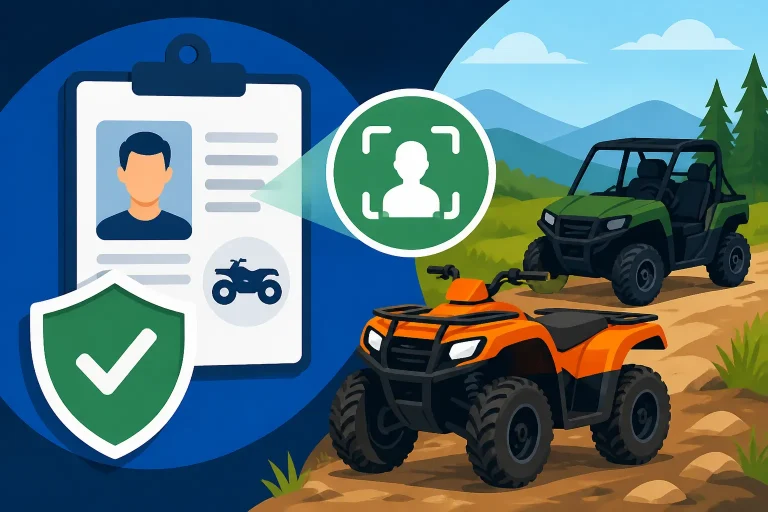
The permit process includes identity verification, and the name on your identification should match the permit account or application. Address verification may also be part of confirming discount eligibility. The precise documents and online steps can change, so use the current instructions from the permit provider rather than treating a general checklist as an official document list.
A government-issued photo ID with your current residential address is a sensible first document to have ready. It can help establish both who you are and where you live, but do not assume it will be the only accepted proof in every situation. If your ID shows an old address, or if it does not clearly identify your county, ask what additional documentation is acceptable.
Possible supporting records might include documents that show your name and current address, such as a recent utility or insurance statement, a tax or property record, or another official correspondence. These are examples to discuss with the permit office, not a guarantee that any particular item will satisfy its rules. Ask whether a document must be recent, whether it needs to show a physical address, and whether a digital copy is acceptable.
For the current purchase steps, see How to Buy a Virginia Trail Permit. To understand the broader permit program and the permits it offers, see Virginia Spearhead Trail Permits.
Make sure the account and ID match
When the buyer’s name differs from the name on the identification, verification can become complicated. Common causes include:
- A recent marriage or name change.
- A shortened first name on the permit account.
- A middle name or initial included on one record but not another.
- A permit being purchased under one household member’s account for another rider.
- A parent or guardian entering information for a minor.
Enter the name as it appears on the identification that will be used for verification. If the permit is for another person, do not assume that the purchaser’s ID can verify the rider’s eligibility. The permit office can explain whose name and documents are required in that case. The name-matching issue is also addressed in Why Your Photo ID Must Match the Permit Name.
Avoid making multiple accounts to get past a verification problem. Different spellings or duplicate profiles can create more confusion and may make it harder to confirm a purchase. If a mismatch appears, stop and ask the permit provider how to correct it.
Keep your documents readable and current
If the process asks you to submit a document, use a clear, complete image or file. The name, address, and any date or issuing information relevant to the check should be visible. Do not crop away details that the reviewer may need, and do not alter a document to make an address or name appear different.
Check the following before submitting:
- The document belongs to the person whose residency is being verified.
- The address is current and matches the residence being used for eligibility.
- The image is readable, with no glare or cut-off edges.
- The document is one the permit provider currently accepts.
- Any requested information is provided through the provider’s approved process.
Treat identity documents as sensitive personal information. Submit them only through the official permit system or another channel the provider has confirmed. Do not send a photo of an ID through an informal message or to an unverified contact.
How to Handle a Different Address or Unusual Situation
A mismatch does not automatically mean you are ineligible. It does mean you should resolve the question before counting on the resident rate. Address records can lag behind a move, and rural households can have separate physical and mailing addresses. The right next step depends on what differs and what the permit program accepts.
You recently moved into an eligible county
If you have moved but your driver’s license or other ID still shows your old address, check whether the permit provider accepts another current document while you update your records. Ask what counts as proof, whether there is a deadline for changing the address on your ID, and whether the application can be completed after your updated identification is available.
Do not enter the new address on an application and assume that the system will accept it simply because you now live there. Conversely, do not use an outdated address just because it is the one printed on your ID if it is no longer your residence. Explain the situation to the permit office and follow its instructions.
If you are moving to Virginia from another state, residency and address questions may overlap with other ownership or registration matters. For that separate subject, see Virginia Rules for an Out-of-State Machine. The trail permit’s resident discount is a distinct question, however; meeting a requirement for one purpose does not necessarily establish eligibility for another.
Your mailing address differs from your home
A post office box, rural route, or alternate mailing address may be useful for receiving mail, but it may not establish where you live. If the application asks for a residential address, use the physical location of your home. If the online form does not accept a rural address format, ask the permit provider how it wants the address entered.
Do not substitute a friend’s, employer’s, or relative’s address because it is easier for the form to recognize. If your home does not have conventional street addressing, explain that to the provider and ask what documents can identify the property and county.
You own property but live elsewhere
Property ownership and residency are not always the same. A deed or tax record might show that you own land in an eligible county, but it does not necessarily show that you live there. If you have a second home, seasonal property, or hunting cabin, ask whether the program bases eligibility on primary residence, a broader definition of residence, or another specific standard.
Do not assume that paying local property taxes makes you eligible for a resident permit. The discount is based on the program’s rules, not on what seems like a fair substitute. If the rules are unclear, request an answer from the permit office before buying.
Your ID shows an address in another county
If you live in one county but your ID lists another, first determine whether the ID is outdated or whether the physical residence is being identified incorrectly. County boundaries do not always line up with ZIP codes or postal names, so gather the correct address details before contacting the provider.
Ask the office what evidence it uses to decide which county an address belongs to. It may have a verification process, or it may direct you to provide a particular kind of record. Avoid sending a stack of unrelated documents without asking; a targeted document that the provider recognizes is more useful than a large collection of records that do not answer the county question.
You are buying for a family member
The purchaser and the person who will ride may not be the same person. Before completing the application, clarify whether the account must belong to the rider, whether a parent or guardian can purchase on a minor’s behalf, and whose address determines the discount. Do not assume that the purchaser’s county residency can be used for another rider.
When minors are involved, the permit’s waiver and supervision requirements may also apply. The identity and parent-verification steps are discussed in Proving You Are the Parent During the Waiver. For permit questions involving younger riders, check the rules that apply to the rider rather than relying only on the adult purchaser’s information.
Buying the Permit Without Assuming the Discount
The resident discount should be treated as confirmed only after the application or permit provider accepts the information and shows the applicable permit option. A discount shown in a promotion, an old screenshot, or a friend’s purchase does not prove that you qualify under the current process. Program details can change, and an individual verification result does not automatically apply to someone else.
A practical purchase sequence is:
- Confirm your county. Identify where your home is physically located and check whether the county is included in the current resident program.
- Review the current eligibility instructions. Look for the definition of residency and any stated proof requirements.
- Gather your identification. Use the correct person’s ID and make sure the name is entered consistently.
- Resolve discrepancies first. Contact the provider about an outdated address, rural address, second home, or household purchase.
- Complete the application accurately. Do not use another person’s address or select a county just because it produces a lower price.
- Check the final permit details. Confirm the permit type, dates, rider information, and amount before submitting payment.
- Save the confirmation. Keep the confirmation email or other purchase record available in case you need to show that the permit was issued.
The discount is only one part of choosing a permit. A resident rate may apply to a particular permit type, while another permit option may follow a different price structure or duration. Compare the available choices and make sure the permit matches your riding plans. Virginia Annual vs Three-Day Permits explains the difference between those options.
A permit is generally associated with the person who bought it, rather than being a transferable pass for anyone in the household. Check that the name on the purchase is correct and that the person who will ride is covered under the permit’s terms. For details about duration, see Your Permit Runs a Year From the Purchase Date.
Do not use an unverified discount code or borrowed identity
A qualifying relative’s address or account is not a safe substitute for your own eligibility. Even if another person is willing to buy the permit for you, the provider’s rules may require the rider’s identity, address, or account details to match. Using another person’s information can leave you with a permit that is difficult to verify at a trail check.
The same caution applies to discount links, screenshots, and old price information shared online. They may refer to a prior season, a different permit type, or a different eligibility category. Confirm the price and rules through the official permit channel before paying. The annual and short-term options are summarized in the comparison below; use the current purchase page for the actual terms and figures.
| Question | What to check | Why it matters |
|---|---|---|
| Is my county eligible? | The current county list from the permit provider | State residency alone may not qualify for the county discount |
| Which address should I use? | The application’s residential-address instructions | A mailing address or cabin may not establish residence |
| What proof is accepted? | Current verification instructions or a direct answer from the office | Suggested documents are not necessarily accepted documents |
| Does the ID match the buyer? | Name and address on the ID compared with the application | A mismatch can delay or prevent verification |
| Is the discount applied? | The final permit summary before payment | Eligibility should be confirmed before relying on a reduced price |
| Which permit fits my trip? | The current terms for each permit type | A discount does not determine which duration or option you need |
Fixing a Verification Problem and Getting a Clear Answer
If the online system cannot verify your address, do not keep resubmitting different versions of the same information. Repeated attempts can make the problem harder to diagnose. Note what the system says, check the spelling and address format, and contact the permit provider through its official support channel.
When you contact the office, describe the issue plainly. Include the county you believe you live in, whether the address on your ID is current, and what kind of address you use for mail. Ask specific questions rather than asking only whether you qualify. For example:
- Is my county included in the current resident discount?
- Does the program use my physical residence or mailing address?
- What documents can verify my current address?
- Can I use a document while my identification is being updated?
- Does the permit need to be purchased under the rider’s name?
- If I have a second home in the county, does that qualify?
- How should I enter a rural address that the form does not recognize?
- Can a permit purchase be corrected if the wrong county or name was entered?
Record the date of the response and the instructions you receive. If the answer depends on a document review, ask how to submit it securely and whether you should wait for confirmation before paying. Do not assume that a verbal suggestion means the system has approved your application; check that the final permit record reflects the correct status.
If you already paid at the wrong rate
If you discover a mistake after purchase, contact the permit office promptly. Explain whether the issue was an incorrect county, a name mismatch, an outdated address, or a misunderstanding about eligibility. Ask whether the permit can be corrected or whether a different process applies.
Do not buy a second permit unless the provider tells you to. Nor should you assume that an unused permit can be returned or refunded. The program’s rules for changes, cancellations, and refunds may be limited; Spearhead Permits Are Final Sale, No Refunds covers why it is important to verify the purchase before paying.
Keep your purchase confirmation and any related correspondence. If you are permitted to correct the record, make sure the revised confirmation identifies the right permit holder and permit type. If the discount is not approved, ask what options remain rather than trying to get around the decision by changing the account address.
Be ready to show the permit after purchase
Once the permit is issued, keep the confirmation accessible. Spearhead permits are digital, so riders should know how to retrieve or display the permit when asked. A phone with no signal or a dead battery can make a digital confirmation inconvenient to access, even when the permit itself is valid. Save the confirmation in a way that works offline if the provider allows it, and bring photo identification that matches the permit record.
Trail staff may check the permit and identity information, so keep the rider’s details consistent from purchase through the ride. Trail Rangers Look Up Permits by Name explains the kind of permit check riders may encounter. Do not rely on residency paperwork alone as proof that you have bought a valid riding permit; eligibility and permit possession are related but separate matters.
A little preparation is usually the best way to avoid a trail-day problem. Confirm the county, use your actual residence, make sure the identity details match, and get an answer from the provider when your records do not fit the standard online form. That approach is more reliable than guessing based on a ZIP code or assuming that property ownership qualifies.
Frequently Asked Questions
Does living in Virginia qualify me for the Coalfield resident discount?
Not necessarily. The discount is tied to designated counties, so check the current eligible-county list. Virginia residency alone may not qualify.
Can I use a cabin or hunting camp as my qualifying residence?
Do not assume so. Seasonal use or property ownership may not meet the program’s residency standard. Ask the permit provider how it treats a second home or camp before purchasing.
What documents do I need to prove residency?
Use the current instructions from the permit provider. A current photo ID is a useful starting point, but the accepted documents and whether additional address proof is required should be confirmed directly.
What if the address on my ID is outdated?
Contact the permit provider before applying for the discount. Ask whether another current document can verify your address and whether you should update your ID first.
Disclaimer
This article is for general informational purposes only and does not constitute professional advice. Laws, prices and regulations vary by location and change over time. Consult a qualified professional for guidance on your specific situation.