Virginia Title Compared to Kentucky
Navigating the world of ATV and UTV titling can feel like trying to find your way through a dense fog, especially when you're dealing with different state regulations. Many riders who live near state lines, or those considering a move, often find themselves scratching their heads, wondering why the rules for something as simple as proving ownership can vary so drastically. This guide aims to clear that fog, offering a realistic comparison of ATV and UTV titling requirements in Virginia versus Kentucky, helping you understand the key differences and what they mean for your off-road adventures.
The Philosophical Divide: Titling Requirements in Virginia vs. Kentucky
One of the biggest head-scratchers for folks in our off-road community is how dramatically titling laws can differ from one state to the next. You might assume that if you own a machine, you get a title for it, plain and simple. But that's just not the case, especially when you compare Virginia's approach to titling ATVs and UTVs with Kentucky's more encompassing system. It's not just about paperwork; it's about how each state fundamentally views these machines in the eyes of the law.
Virginia's Titling Nuances: When You Need One
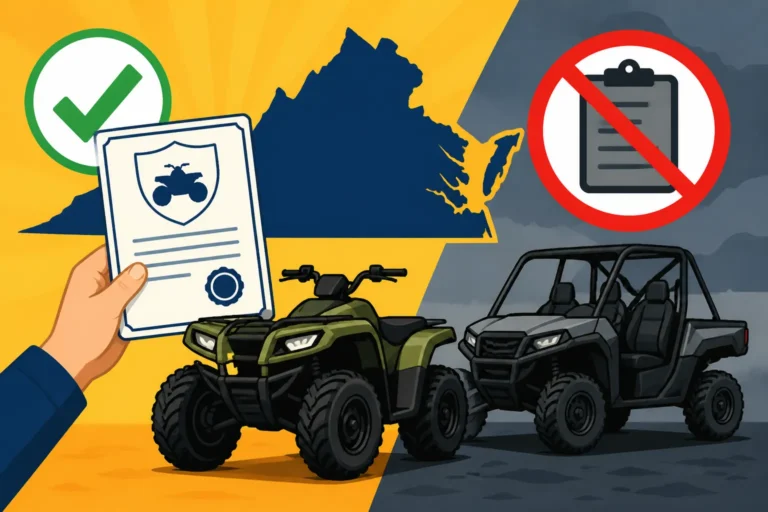
In Virginia, the relationship with ATV and UTV titles is, shall we say, a bit less rigid than in some neighboring states. The Commonwealth decided quite a while back that while titles are issued for most ATVs and UTVs, they aren't always a mandatory requirement, particularly for older or used machines. This can be a huge relief for someone buying a used quad from a private seller, as the absence of a title doesn't necessarily mean a dead end.
Specifically, Virginia requires a title for any ATV or UTV with an engine size over 50cc if it was purchased new by the current owner after July 1, 2006. That's a critical cutoff date to remember! If you bought a brand-new machine after that date, you absolutely needed to title it. However, if you bought a used machine, even a relatively new one, the titling process becomes optional for you. Of course, if you're trying to prove ownership for insurance purposes or want to sell it down the road with less hassle, having a title is always a good idea. [Virginia Titles Are Optional on Used Machines] delves into why this flexibility exists.
This "optional for used" aspect is where Virginia truly stands apart. Many riders appreciate this leniency, especially when dealing with older machines where titles might have been lost or never issued in the first place. It allows for a smoother transfer of ownership in many casual sales scenarios, reducing bureaucratic hurdles. However, it also means buyers of used machines need to be extra diligent in building a robust paper trail, like a strong bill of sale, if a title isn't part of the deal.
Kentucky's Mandatory Approach: No Exceptions
Now, let's hop across the border to Kentucky, where the titling philosophy is much more black-and-white. In the Bluegrass State, if you own an ATV or UTV, you generally need a title. Period. There isn't the same kind of "optional for used" grace period that Virginia offers. Kentucky views these machines, even those primarily used off-road, as motor vehicles subject to titling and registration requirements, much like a car or truck.
This mandatory titling applies to virtually all ATVs and UTVs, regardless of when they were purchased or whether they are new or used. The underlying principle in Kentucky is clear: if it's a motorized vehicle designed for off-road use, it needs to be properly titled and registered through the county clerk's office. This ensures a consistent record of ownership and helps with law enforcement and taxation. For new residents moving into Kentucky with a machine they already own, this means they'll need to go through the process of getting a Kentucky title, even if they had a title from their previous state.
The mandatory nature in Kentucky means that buying a used ATV or UTV without a title can be a much bigger headache than in Virginia. It often involves a more complex process to establish ownership, potentially requiring bonded titles or court orders, which can be time-consuming and costly. For sellers, ensuring they have a clear title to transfer is paramount, as buyers will almost certainly demand it. This difference truly highlights how states prioritize different aspects of vehicle ownership and regulation.
The Paper Trail: Documents and Processes
Once you understand if you need a title in each state, the next logical step is to figure out how to get one. This is where the specific forms, required documents, and the offices you need to visit come into play. Both states have their own unique procedures, and mistaking one for the other can lead to frustrating delays and multiple trips to government offices. It's all about having your ducks in a row before you head out.
Gathering Your Paperwork in Virginia
For those of us in Virginia, the process for titling an ATV or UTV, when required or desired, generally funnels through the Department of Motor Vehicles (DMV). If you bought a new machine, you'll absolutely need the Manufacturer's Certificate of Origin (MCO), which is basically the birth certificate for your ATV. This document proves the machine is new and has never been titled before. Alongside the MCO, you'll fill out Form VSA 17A, Virginia's application for title. [Virginia Form VSA 17A Explained] provides a deep dive into this crucial form.
When you're dealing with a used machine, and you choose to title it (remember, it's optional for used machines in many cases), you'll typically need the previous owner's signed-over title. If that title is lost or was never issued, Virginia has a pathway: a notarized affidavit of ownership, specifically [Virginia Form VSA 12M Affidavit]. This form, sworn under oath, allows you to attest to your ownership in the absence of a traditional title. Having a solid bill of sale, perhaps drafted using a service like LawDepot, is always a smart move in any private sale, as it supports your claim of ownership, especially with used machines. You’ll also need proof of address and identification, as is standard for most DMV transactions.
It's important to remember that while Virginia issues titles for ATVs, it absolutely does not register them for road use or issue license plates or decals. [Virginia Titles ATVs but Never Registers Them] is a must-read if you're confused about this. Your title simply proves ownership, allowing you to legally possess and, if applicable, sell the machine in the future. The paperwork is typically straightforward, provided you have the correct documents from the seller or manufacturer.
Navigating Kentucky's Title Application
In Kentucky, getting a title for your ATV or UTV is a similar dance but with different music and a different ballroom. The primary hub for titling and registration in Kentucky isn't the state-level DMV, but rather your local County Clerk's office. This is a crucial distinction, as the specific procedures and even the helpfulness of staff can vary slightly from one county to the next. You'll need to prepare for a visit to your county clerk.
For a new machine, just like Virginia, you'll present the Manufacturer's Certificate of Origin (MCO). However, Kentucky's process also includes an application for a Kentucky Certificate of Title/Registration. You'll also likely need a completed "Application for Kentucky Certificate of Title or Registration" form, typically provided by the county clerk, along with proof of identity and residency. When purchasing a used ATV or UTV, you'll need the previous owner's properly signed-over Kentucky title. If the machine is coming from out of state, you'll bring the out-of-state title and follow the new resident guidelines.
Kentucky's system for ATVs and UTVs includes both titling and registration, meaning these machines often receive a registration decal that must be affixed. This is a significant difference from Virginia, where no registration or decals are issued. The county clerk's office will handle the collection of sales tax, title fees, and registration fees all at once. If you’re ever in doubt about the exact forms or process, a quick call to your specific county clerk’s office before you go can save you a lot of time and frustration. They'll be able to tell you exactly what you need to bring.
Costs, Taxes, and the Bottom Line
Money talks, and when it comes to titling your ATV or UTV, both Virginia and Kentucky have costs involved, but they approach the breakdown of those costs differently. It's not just the title fee itself; you also need to factor in sales tax, potential registration fees, and any other administrative charges that might sneak into the total. Being prepared for these financial realities can prevent sticker shock at the counter.
Virginia's Straightforward Title Fee
In Virginia, the cost associated with titling an ATV or UTV is refreshingly simple: it's a flat title fee. While I can't give you the exact current amount, historically, it's been a very modest figure, often a single digit for the title itself. [Virginia Title Fee of $15] hints at the typical cost. This fee is paid directly to the DMV when you submit your application. It’s a one-time fee to establish your ownership record, and that’s pretty much it for the titling part.
Beyond the title fee, the main financial consideration in Virginia when acquiring an ATV or UTV, whether new or used from a dealer, is sales tax. Virginia charges sales tax on the purchase price of the machine, and this tax is collected at the time of titling if you buy from a dealer. If you purchase from a private seller, and you choose to title it, you’ll still pay sales tax to the DMV based on the purchase price or fair market value. [Virginia Sales Tax at Titling] provides more details on this. There are no annual registration fees for ATVs and UTVs in Virginia because, as we've discussed, they aren't registered for road use. This simplicity in fees is one reason many riders appreciate Virginia's system; you pay your title fee and sales tax once, and you're generally done with state-mandated costs for that machine.
This streamlined cost structure means budgeting for your new or new-to-you off-road machine in Virginia is relatively predictable. You account for the purchase price, the sales tax, and that minimal title fee. Any additional costs, such as insurance (which is optional for ATVs in Virginia) or trail permits, are separate and don't factor into the core titling process itself.
Kentucky's More Comprehensive Fee Structure
Kentucky, by contrast, bundles its fees more comprehensively, especially since titling and registration go hand-in-hand. When you title and register your ATV or UTV in Kentucky, you'll typically encounter a few different charges rolled into one transaction at the County Clerk's office. This includes a title fee, a registration fee, and sales tax.
The registration fee is generally an annual charge, meaning you'll pay it each year to keep your ATV or UTV properly registered. This is a key difference from Virginia's one-time title fee. The sales tax in Kentucky is applied to the purchase price of the machine, similar to Virginia, but it's all processed through the county clerk. If you're bringing a machine in from out of state, Kentucky may also charge a "use tax" if sales tax wasn't paid at the time of original purchase in another state. Using a service like LawDepot for a robust bill of sale can help accurately document your purchase price, which is crucial for sales tax calculations.
| Feature | Virginia ATV/UTV Titling | Kentucky ATV/UTV Titling |
|---|---|---|
| Mandatory Titling | Required for new machines (over 50cc) since 7/1/2006; Optional for used. | Generally mandatory for all ATVs/UTVs. |
| Titling Office | Department of Motor Vehicles (DMV) | County Clerk's Office |
| Registration | Titles issued, but no registration, plates, or decals for road use. | Titles lead to annual registration and decals. |
| Title Fee | Modest, one-time flat fee. | Included in a broader fee structure with registration. |
| Sales Tax | Collected at titling; retail rate applies. | Collected at titling/registration; retail rate applies. |
| Annual Fees | No annual registration fees. | Annual registration fees apply. |
| Out-of-State | [Virginia Accepts an Out-of-State Title] for new residents, may be optional for used. | Requires new Kentucky title and registration for new residents. |
This comprehensive approach means that the initial and ongoing costs for owning an ATV or UTV in Kentucky can be higher than in Virginia. It's not just about the upfront title fee, but also the recurring annual registration fees that need to be factored into your budget. For someone thinking about buying a machine or moving between these two states, understanding these financial distinctions is crucial for proper planning.
Beyond Titling: Registration and the Road Ahead
Titling is just one piece of the puzzle. What that title allows you to do, or prevents you from doing, varies significantly between Virginia and Kentucky. This often comes down to how each state handles registration and whether these off-road machines are permitted on public roads in any capacity. Understanding these implications is vital for staying legal and avoiding unnecessary fines or frustrations.
Virginia: Title but No Plate
One of the most common questions Virginia riders get is, "Why don't you have a plate on your quad?" The answer, as we've touched on, is that in Virginia, an ATV or UTV title serves purely as proof of ownership. It doesn't come with any form of registration that would allow you to legally operate the machine on public roads, highways, or even most public lands. The title is like a deed to a house—it proves it's yours, but it doesn't give you permission to do anything with it other than possess it.
Because there's no registration, there are no annual fees for registration, no license plates issued, and no decals from the DMV for your ATV or UTV in Virginia. This system works well for riders who primarily use their machines on private property or within designated off-road trail systems like Spearhead Trails. The focus remains on private land use and controlled environments. While there are very limited exceptions for crossing public highways by the most direct route or specific coalfield roads in Buchanan and Tazewell counties, these are rare and highly regulated exceptions to a general ban. [Virginia Bans ATVs on Public Highways] makes this very clear.
So, while you might dutifully go through the process of titling your brand-new side-by-side in Virginia, that title's primary function is to establish legal ownership and facilitate future sales. It won't get you a plate, and it won't allow you to ride down to the corner store. The emphasis is strictly on off-highway use, and the legal framework reflects that by separating titling from any form of road registration.
Kentucky: Titles Lead to Registration
Kentucky takes a different view, integrating titling with registration for ATVs and UTVs. Once you title your machine through the County Clerk's office, it also becomes registered. This means you'll receive a registration decal that typically needs to be affixed to the machine. This decal, along with your title and registration documents, serves as proof that your ATV or UTV is legally recognized by the state.
This registration often comes with specific rules and allowances for operation. While ATVs and UTVs are primarily intended for off-road use in Kentucky, the registration system does open doors for certain limited on-road privileges that are generally absent in Virginia. For example, some Kentucky counties or municipalities may have ordinances that permit limited road use of ATVs or UTVs on certain secondary roads or within city limits under specific conditions. This isn't a blanket "street legal" status, but it's a more nuanced approach than Virginia's near-total ban.
The annual renewal of this registration is a reminder that Kentucky maintains a more active governmental oversight of these vehicles. This includes not just tracking ownership but also ensuring compliance with any ongoing requirements. For riders, it means ensuring your registration is always current, as an expired decal could lead to fines. This combined titling and registration system reflects Kentucky's broader view of ATVs and UTVs as vehicles that, while primarily off-road, still need to be accounted for within a comprehensive state motor vehicle framework.
What This Means for You: Real-World Scenarios
Understanding the distinct titling and registration laws between Virginia and Kentucky isn't just academic; it has practical implications for riders, buyers, and sellers. Whether you're considering a purchase across state lines or planning a big move, these differences can impact your experience significantly.
Buying Used Across State Lines
Imagine you're a Virginia resident and you find a fantastic deal on a used side-by-side in Kentucky. The seller has a clear Kentucky title and registration, and everything looks good. When you bring that machine back to Virginia, you'll need to decide whether to title it in Virginia. Since it's a used machine, Virginia's titling process for you as the buyer is optional, even if the machine originated from a state with mandatory titling. You can get a [Virginia Title for a Machine Bought Out of State], but you don't have to, which can be a relief if paperwork from an older machine is a bit murky.
Conversely, if you're a Kentucky resident and you spot a great used ATV deal in Virginia, you'll want to be extra cautious. The Virginia seller might not have a title, as it's optional for them on used machines. For you to title and register that machine in Kentucky, you'll need more than just a bill of sale. You'll generally require a clear title, and if the Virginia seller doesn't have one, you might need to guide them through obtaining a Virginia title first, or prepare for a more complex process to establish ownership in Kentucky. Always insist on a proper bill of sale, perhaps using a template from a legal document service like LawDepot, to protect your purchase, regardless of the state.
These cross-border purchases highlight the need for due diligence. Always clarify the seller's documentation status and understand your home state's requirements before money changes hands. What might be perfectly acceptable paperwork in one state could be a major hurdle in another.
Moving from One State to the Other
Moving with your beloved ATV or UTV also brings these differences into sharp focus. If you're relocating from Virginia to Kentucky with your machine, even if you never titled it in Virginia (because it was a used purchase), you will absolutely need to get it titled and registered in Kentucky. This process involves presenting proof of ownership (like your old bill of sale or any Virginia title you did get) to your new County Clerk's office. You'll pay Kentucky's title fees, sales/use tax, and the annual registration fee. It's a mandatory step to comply with Kentucky law.
On the other hand, if you're moving from Kentucky to Virginia, you'll find the process much less demanding from a state bureaucracy perspective. Your Kentucky title and registration prove ownership. Upon moving to Virginia, you might choose to obtain a Virginia title for convenience or future sale, but it's not a strict requirement for a used machine. You won't face annual registration fees, and you definitely won't be expected to get a license plate or decal for your ATV from the Virginia DMV.
The key takeaway here is adaptation. Virginia prioritizes a hands-off approach to used ATV titling and road registration, while Kentucky maintains a more structured, all-encompassing system. Being informed about these contrasting philosophies is your best defense against unexpected paperwork, fees, or legal issues, ensuring your off-road adventures continue smoothly no matter which side of the state line you're on.
Disclaimer
This article is for general informational purposes only and does not constitute professional advice. Laws, prices and regulations vary by location and change over time. Consult a qualified professional for guidance on your specific situation.