The Notarized Affidavit That Replaces a Missing ATV Title
It’s a scenario that can make any ATV or UTV owner in Virginia feel a pang of dread: you're ready to sell your beloved machine, or perhaps you've just bought one, only to discover the title is missing, lost somewhere in the depths of an old filing cabinet or never received in the first place. This common frustration can bring your plans to a screeching halt, leaving you wondering how to legally prove ownership. Thankfully, Virginia offers a solution: the notarized Affidavit of Ownership, known as Form VSA 12M, which can effectively replace that elusive missing title.
The Headache of a Missing ATV Title in Virginia
We’ve all been there. You have a quad, a side-by-side, or a dirt bike that you love, or perhaps just acquired, and then the paperwork nightmare begins. That little piece of paper, the title, seems insignificant until it’s absolutely critical, and then, poof, it's gone. This isn't just an inconvenience; it can truly complicate things in Virginia, making an already complex system feel even more daunting.
Why a Missing Title Throws a Wrench in Your Plans
Picture this: you've lined up a buyer for your well-maintained ATV, agreed on a fair price, and they're ready to pick it up. You go to sign over the title, and it’s nowhere to be found. Suddenly, a smooth transaction turns into a frustrating standstill. Without a title, you can't legally transfer ownership, leaving both you and your buyer in a bind. It's not just about selling, either. If you're trying to finance a used machine, a lender almost always requires a clean title to secure their loan, and without it, you're out of luck.
Even for machines you already own, a missing title can create a cloud of uncertainty. Proving you are the rightful owner becomes difficult if there's ever a dispute, an insurance claim, or a need to register the machine in another state. Many riders find themselves in this situation after inheriting a machine or buying one from a private seller who didn't fully understand the titling requirements, leaving them with a valuable piece of equipment but no definitive proof of ownership. The stress of this uncertainty can overshadow the joy of owning an off-road vehicle.
When Does Virginia Require an ATV Title?
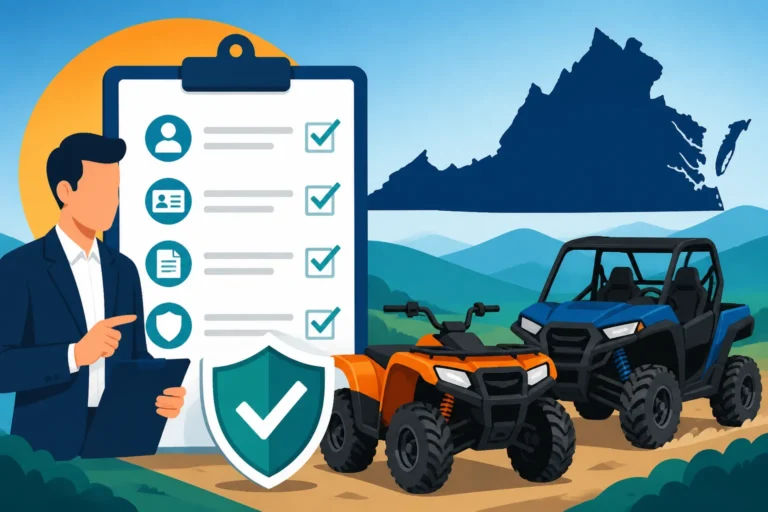
Virginia has specific rules about when a title is mandatory for ATVs and UTVs, and understanding these can help you avoid future headaches. Generally speaking, if your machine has an engine displacement greater than 50cc and was purchased new in Virginia since July 1, 2006, it requires a title. This cutoff date is a significant one, as machines purchased new before then often fall under different guidelines. For instance, a vintage quad bought new in 2005 might not have been subject to the same mandatory titling requirements as one bought new the following year.
What about used machines? This is where things get a little more nuanced. While new machines over 50cc have a clear mandate, [Virginia Titles Are Optional on Used Machines]. This means if you buy a used ATV or UTV that already has a Virginia title, you certainly can transfer it into your name. In fact, it's highly recommended for peace of mind and clear proof of ownership. However, if you purchase a used machine that has never been titled in Virginia, or perhaps came from a state with different rules, the state doesn't always force you to get a title. This can be a relief for some, but it can also lead to the very situations where an affidavit like VSA 12M becomes necessary if you later decide you do want a title for security or resale purposes. Knowing these rules is the first step in navigating the Virginia DMV's system, and understanding [Virginia Titles Required on Machines Over 50cc] and [Virginia's July 2006 Titling Cutoff] is key.
Understanding Virginia's VSA 12M Affidavit
When you're faced with the daunting task of proving ownership without a physical title, Virginia's VSA 12M Affidavit of Ownership steps in as a critical piece of paperwork. It’s designed to bridge the gap when traditional title documents are simply unavailable, providing a legal pathway to establish your claim to the machine. Think of it as your official declaration, backed by an oath, that you are indeed the rightful owner.
What is Form VSA 12M and What Does it Do?
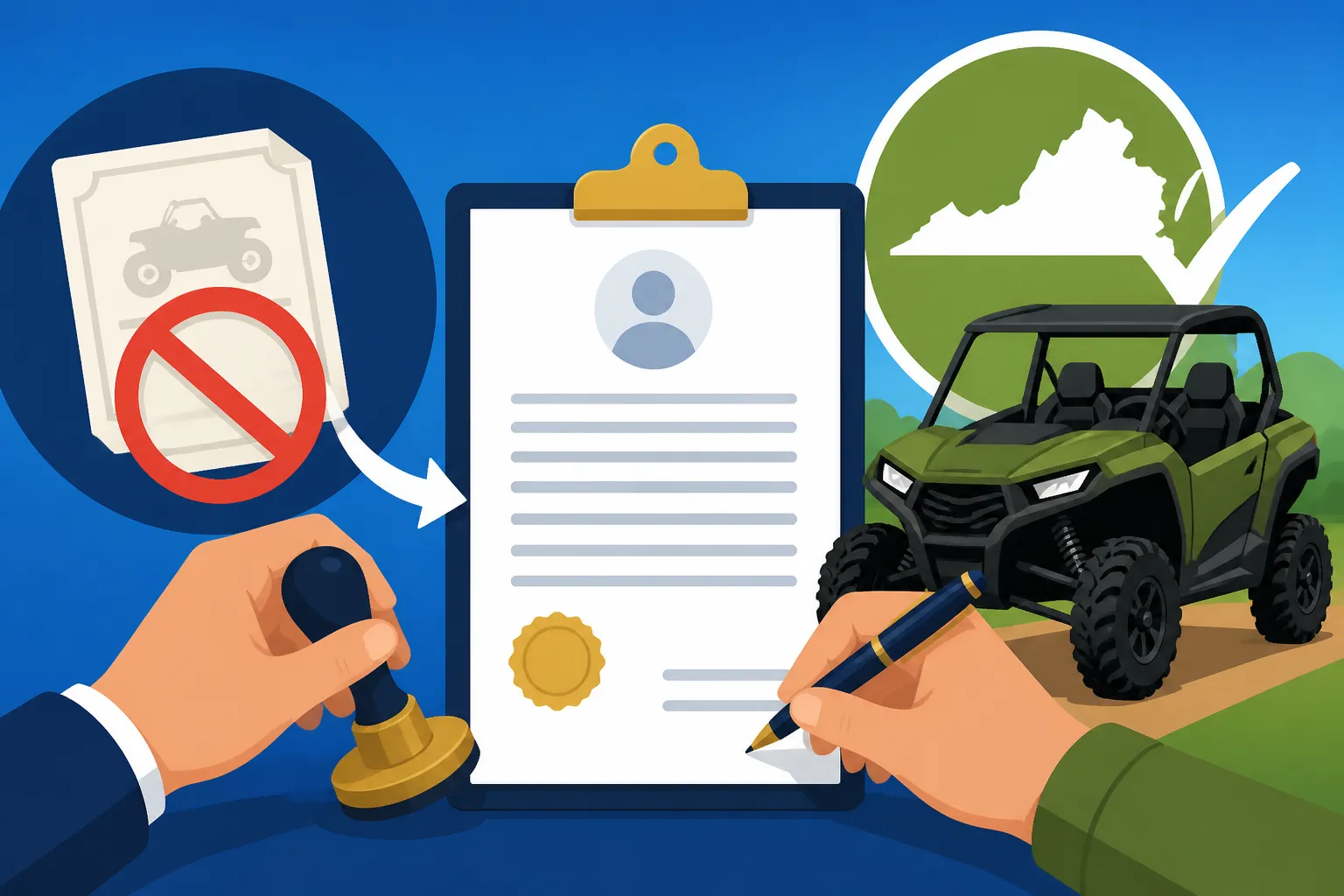
Form VSA 12M, officially known as an "Affidavit of Ownership," is a specialized document provided by the Virginia Department of Motor Vehicles (DMV). Its primary purpose is to allow individuals to declare under penalty of perjury that they are the legitimate owner of an ATV, UTV, or other off-road vehicle, even when the original title document is missing or was never issued. This isn't just a casual statement; it's a sworn declaration that, once properly completed and notarized, carries significant legal weight. The form requires you to provide detailed information about the machine, how you acquired it, and why the original title is not available.
Essentially, the VSA 12M allows the DMV to process a new title application based on your sworn testimony and any supporting evidence you can provide, rather than strictly relying on a previous physical title. This is particularly useful in situations where a simple "duplicate title" request isn't possible because you weren't the last titled owner, or perhaps the machine was never titled in Virginia to begin with. Understanding [Virginia Form VSA 12M Affidavit] is crucial for anyone navigating this specific challenge.
The Specific Scenarios Where VSA 12M Comes to the Rescue
The VSA 12M isn't a one-size-fits-all solution, but it's incredibly effective for a few specific and frustrating scenarios. One of the most common situations is when you've bought a used ATV or UTV through a [Virginia Titles After a Private Sale] from an individual who simply lost the title somewhere along the way. They might have moved several times, or the title could have been damaged in a flood or fire. In such cases, the seller might not be able to get a duplicate title if they were never the last titled owner, or if they just can't track down the necessary information. The VSA 12M allows you, the buyer, to assert your ownership with proper documentation of the purchase, even if the seller can't produce the original.
Another frequent use case for the VSA 12M is with [Virginia Titles for an Inherited Machine]. When a family member passes away, their estate might include an ATV, but the title could be missing, or perhaps it was never formally transferred during their lifetime. Dealing with grief and legalities is already tough; adding a missing title to the mix only makes it worse. The VSA 12M allows the heir or estate executor to claim ownership of the machine, along with other probate documents, facilitating the titling process. It’s a lifeline for those trying to sort out an estate that includes an off-road vehicle without a clear paper trail, helping to prevent the machine from becoming legally unusable.
Step-by-Step Guide to Completing Your VSA 12M Affidavit
Filling out official government forms can feel like deciphering ancient texts, and the VSA 12M is no exception if you're not prepared. However, by breaking it down into manageable steps and knowing exactly what information you need to gather, you can complete this affidavit accurately and efficiently. The goal is to present a clear, truthful, and well-documented case to the DMV, so they can process your title application without a hitch.
Gathering the Necessary Information and Documents
Before you even touch a pen to the VSA 12M form, you’ll need to do some homework. The DMV expects accurate and thorough information, so having everything organized beforehand will save you immense frustration. First and foremost, you'll need all the identifying details of your ATV or UTV: the full Vehicle Identification Number (VIN), which is usually stamped on the frame; the exact year, make, and model of the machine; and the engine size in cubic centimeters (cc). Double-check the VIN against the machine itself, as even one digit off can cause major delays.
Next, you need to be prepared to explain how you acquired the machine. This means having the full name and address of the person or entity you bought it from (if applicable), the date of purchase, and the purchase price. If you received it as a gift or through an inheritance, you’ll need to specify that as well. Any supporting documents you have are invaluable here. This could include a bill of sale, a canceled check, an invoice, a receipt, or even a notarized letter from the previous owner explaining the missing title. While it's possible to get a [Virginia Title Without a Bill of Sale], having one significantly strengthens your case. You'll also need your own valid photo identification and proof of your current Virginia address to submit with the form.
The Crucial Role of Notarization
One of the most critical elements of the VSA 12M affidavit—and what gives it its legal power—is the notarization. You can't just fill out the form and sign it yourself; it must be signed in front of a licensed notary public. A notary public is an impartial witness who verifies your identity and confirms that you signed the document willingly. They are not confirming the truthfulness of the statements within the affidavit, but rather the authenticity of your signature. This step is non-negotiable for the VSA 12M to be considered valid by the Virginia DMV.
Finding a notary is usually quite easy. Many banks, credit unions, and UPS Store locations have notaries on staff, though it's always wise to call ahead to ensure one is available. You'll need to bring a valid, government-issued photo ID (like a driver's license) with you. There's typically a small fee for notarization, so be prepared for that. While services like LawDepot are excellent for creating various legal document templates such as detailed bills of sale or general affidavits that might support your claim, they generally don't provide the in-person notarization service required for the VSA 12M itself. However, having other professional-looking supporting documents from a service like LawDepot can definitely strengthen your overall application when you go to the DMV. Make sure you understand [Where to Find a Notary for a VSA 12M] before you head out.
Submitting Your VSA 12M and Titling Your ATV
Once you’ve diligently completed your VSA 12M and had it properly notarized, you’re ready for the final, and perhaps most nerve-wracking, step: submitting everything to the Virginia DMV. This process, while seemingly straightforward, requires careful attention to detail and an understanding of what the DMV expects to see. Being prepared can make the difference between a quick visit and a frustrating series of rejections.
What to Expect When You Visit the DMV
When you head to a Virginia DMV Customer Service Center, remember that the clerks handle countless title applications every day. Being organized will be your best friend. You'll need to bring your completed and notarized VSA 12M, any supporting documents like a bill of sale or previous registration records, your valid photo ID, and proof of your current Virginia address. You'll also need to fill out a separate "Application for Certificate of Title and Registration" (Form VSA 17A), which is the standard form for titling any vehicle. Even though you're using an affidavit, you're still essentially applying for a new title.
Be prepared to pay the applicable fees, which include the title fee itself and [Virginia Sales Tax at Titling]. The sales tax is calculated based on the purchase price of the ATV or UTV, or its fair market value if no price is provided, and is generally due at the time of titling. The DMV staff will meticulously review all your documents. They're looking for consistency, accuracy, and clear proof that you meet the requirements for establishing ownership. Don't be surprised if they ask follow-up questions about how you obtained the machine or why the original title is missing. Maintain a polite and cooperative attitude, and be ready to explain your situation clearly. For detailed guidance, remember you can always consult resources like [Titling an ATV in Person at a DMV Office].
Common Pitfalls and How to Avoid Them
Even with the best intentions, it's easy to stumble over common mistakes when submitting your VSA 12M and title application. One of the most frequent issues is an incomplete or inaccurately filled-out VSA 12M form. Every blank needs to be filled, and details like the VIN must be absolutely correct. A simple transposed digit can send you back to square one. Another major pitfall is submitting the form without proper notarization. A missing notary stamp or signature will render the entire affidavit invalid, as it's the notary's role to confirm your identity and signature.
Lack of sufficient supporting documentation can also be a sticking point. While the VSA 12M is powerful, it's always stronger when backed by other evidence, even if it's just a simple handwritten receipt from the seller. If the DMV clerk feels there's insufficient proof of ownership or a potential lien on the machine, they may deny your application. In such cases, they will typically inform you what additional information is needed. It’s important to address their concerns directly. For example, if there's an old lien showing up on records, you might need to provide a lien release letter. Avoiding these [Title Mistakes Virginia Riders Make Most Often] requires meticulous preparation and a willingness to provide all the information requested by the DMV.
Beyond the Affidavit: Protecting Your Ownership for the Future
Successfully titling your ATV or UTV with the help of a VSA 12M affidavit is a huge accomplishment, but it's not the end of the journey. Once you have that physical title in hand, it's important to understand the significant benefits it brings and to implement practices that will protect your ownership going forward. After all the effort you put into getting it, the last thing you want is to find yourself in the same predicament down the road.
The Benefits of a Clean Virginia ATV Title
Having a clean, clear Virginia title for your ATV or UTV offers a multitude of advantages that go far beyond mere compliance. Primarily, it provides undeniable [Why a Lender Makes You Title a Used Quad] for financial institutions, making it far easier to sell your machine or use it as collateral if needed. Buyers are almost always more comfortable purchasing a titled machine, as it removes any doubt about ownership history and prevents future headaches for them. This transparency can often translate to a better resale value and a quicker, smoother sales process.
Beyond selling, a title provides immense peace of mind. It’s your legal declaration of ownership, protecting you from potential disputes or claims by others. If your ATV is stolen, the title is crucial for filing a police report and assisting insurance companies in recovering or replacing your machine. It also streamlines administrative tasks, such as applying for financing or making insurance claims. Without a title, these processes can become unnecessarily complicated, requiring extra affidavits and investigations. A clean title simplifies your life as an off-road vehicle owner, ensuring your investment is secure and legally recognized.
Best Practices for Keeping Track of Your Important Documents
Once you have your new Virginia ATV title, the goal is to never lose it again! Establishing a robust system for document management is crucial. The first rule of thumb is secure storage. This means keeping your original title in a safe, fireproof location, such as a home safe, a safety deposit box, or a secure filing cabinet that’s not easily accessible to just anyone. Never keep the original title in the machine itself or in a place where it could be easily lost or stolen.
In addition to physical security, consider digital copies. Scan or take clear photos of your title, bill of sale, and any other important ownership documents. Store these digital files in a secure cloud service or on an encrypted flash drive. This way, if the physical document is ever lost or destroyed, you have a backup readily available, making the process of [Replacing a Lost ATV Title in Virginia] much simpler. Services like LawDepot can be invaluable for creating and organizing templates for various legal documents, including a comprehensive bill of sale or even a personalized maintenance log, which can indirectly support your ownership claims if you ever need to reconstruct a paper trail. Periodically review your important documents to ensure they are all in order and easily locatable. By taking these proactive steps, you can avoid the stress and hassle of a missing title and enjoy your off-road adventures with complete confidence in your ownership.
Comparing Title Scenarios in Virginia
Understanding the impact of a missing title and the solution provided by VSA 12M can be clearer when looking at the different scenarios side-by-side.
| Feature | Lost/Missing Title Scenario | With VSA 12M Affidavit | Clean, Current Title Scenario |
|---|---|---|---|
| Selling Machine | Extremely difficult, often impossible | Possible, with DMV approval; requires careful submission | Straightforward transfer of ownership |
| Proving Ownership | Challenging; relies on other informal documents | Strong legal declaration; good for establishing ownership | Undeniable legal proof of ownership |
| Financing | Near impossible for buyer or current owner | Can facilitate titling, making financing possible | Easiest for lenders to secure their investment |
| Time/Effort | High frustration, legal uncertainty | Requires meticulous form completion & notarization | Minimal administrative effort for owner |
| Peace of Mind | Low; constant worry about legal standing | Increased; clear path to legal ownership | High; secure and recognized legal ownership |
| DMV Acceptance | Will not issue duplicate or transfer title | Accepted with proper supporting documents and notarization | Always accepted for transfer or duplicate request |
Disclaimer
This article is for general informational purposes only and does not constitute professional advice. Laws, prices and regulations vary by location and change over time. Consult a qualified professional for guidance on your specific situation.