Virginia Requires No ATV Insurance
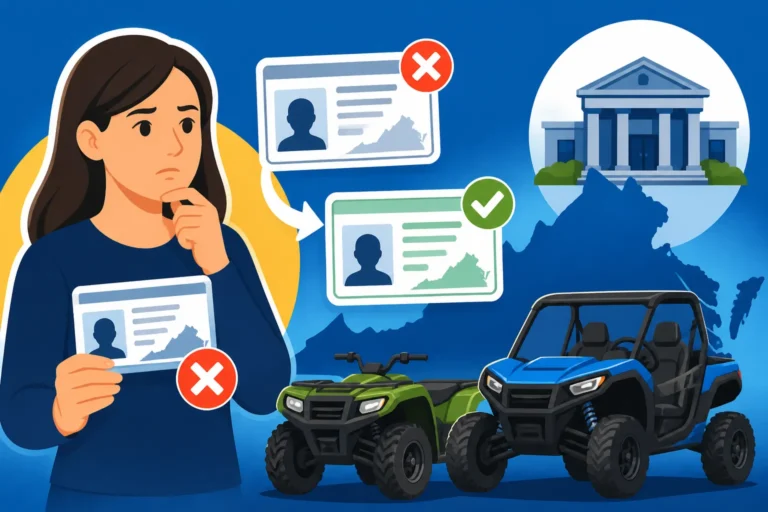
It's a common assumption that if you own any kind of motorized vehicle, especially one with an engine, the state is going to want you to carry insurance for it. You think about your car, your truck, your motorcycle – they all need liability insurance at the very least to be legally on the road. So, when you get yourself an ATV or a side-by-side here in the Old Dominion, it's only natural to wonder what the Department of Motor Vehicles (DMV) is going to demand from you in terms of coverage. This guide is going to clear up a common point of confusion and explain exactly why, in Virginia, you actually don't need to carry ATV insurance to legally own and operate your machine under most circumstances, and what that truly means for you as a rider.
Understanding Virginia's Unique Stance on ATV Insurance
When it comes to motor vehicles, Virginia has a pretty clear set of rules. For cars, trucks, and even most motorcycles, you're required by law to carry a certain level of liability insurance to cover damages or injuries you might cause in an accident. If you don't have it, you can face fines, suspension of your driving privileges, and even civil penalties. This is deeply ingrained in our understanding of vehicle ownership.
The Core Rule: No Mandate for ATVs
Here's the kicker, and it often surprises people: Virginia does not require you to carry insurance on your ATV or UTV. That's right. Unlike your daily driver, there's no state law that mandates you have liability, collision, or any other type of insurance policy specifically for your off-road machine. You can buy an ATV, get it titled if necessary, and hit the trails (where legal, of course) without ever having to show proof of insurance to the DMV or a law enforcement officer, as far as state mandates go. This distinction is crucial because it sets ATVs apart from most other motorized vehicles in the state, and it comes with both freedoms and significant responsibilities.
This doesn't mean you shouldn't have insurance, but it clarifies the legal obligation. Many riders find this a relief, especially when considering the rising costs associated with vehicle ownership. However, this freedom from a mandate places the full burden of risk squarely on your shoulders. If an incident occurs, and you're at fault, every penny of the damages, from medical bills to property repairs, could come directly out of your pocket. It's a stark contrast to the automatic protection liability insurance provides for street-legal vehicles.
Think about it from a practical standpoint: if you're out on private land, perhaps a friend's farm or a designated trail system, the state views your ATV much differently than a car on I-81. The public road system, with its inherent risks and shared responsibilities, is where insurance mandates typically apply. Off-road environments, while still dangerous, are treated as more private or controlled spaces in the eyes of the law, at least concerning this specific requirement. It's a key reason why [Why Virginia Sets No Insurance Minimum for ATVs] is an important topic for every rider to understand.
Distinguishing ATVs from Other Vehicles
It's important to understand why ATVs are treated differently. The primary reason is how the state defines and categorizes them. For the most part, ATVs are considered off-road vehicles. They are generally not street-legal, and [Virginia Bans ATVs on Public Highways] except for very specific, limited circumstances in designated areas or for farm use. Because they aren't meant for public roads, they don't fall under the same regulatory umbrella as cars, trucks, or even motorcycles and mopeds that are routinely operated on public thoroughfares.
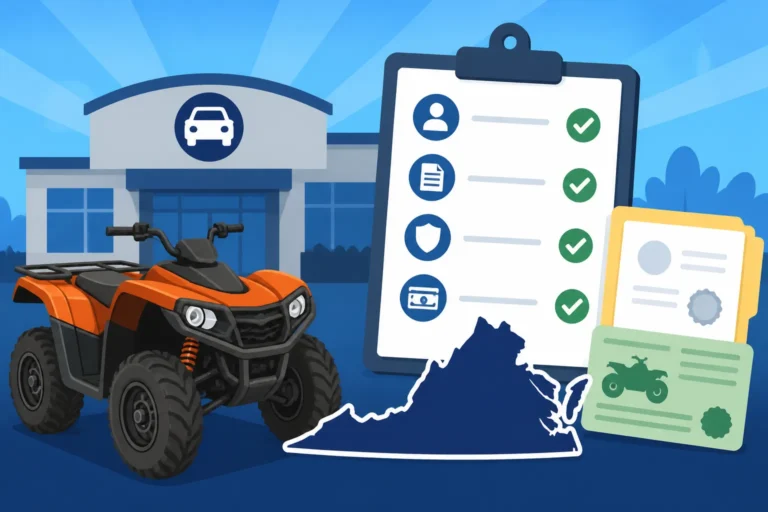
This distinction profoundly impacts everything from titling to insurance. For instance, [Virginia Titles ATVs but Never Registers Them] in the traditional sense like a car. You get a title to prove ownership, but there's no yearly registration, no license plates, and no associated yearly fees like you'd find with a street-legal vehicle. This lack of public road registration is the bedrock of why insurance isn't mandated. The state simply isn't regulating their operation on the public road system, which is where compulsory insurance typically comes into play.
Consider the implications for titling: while [Virginia Titles Required on Machines Over 50cc] if bought new after a certain date, and you can voluntarily title a used machine, this act of titling is about establishing ownership, not about granting permission for road use or imposing insurance requirements. It’s a mechanism to help track ownership and facilitate sales, especially from dealers, but it doesn't trigger the insurance mandate that comes with road registration. This critical difference is often overlooked, leading to unnecessary worry or, conversely, a false sense of security about potential liabilities.
What the Law Says (and Doesn't Say)
The Virginia Code is very specific about which vehicles require insurance. Generally, if a vehicle is registered to be driven on public highways, it needs insurance. Since ATVs are not registered for highway use, they are effectively excluded from these mandates. Chapter 6 of Title 46.2 of the Virginia Code details requirements for proof of financial responsibility, but these sections apply to "motor vehicles" as defined for highway use, which explicitly excludes ATVs and UTVs in many contexts.
This legal silence on mandatory ATV insurance isn't an oversight; it's a deliberate categorization reflecting their intended use. The state recognizes ATVs as tools for recreation, farm work, or specific utility tasks, primarily on private property or designated off-road trails. The legislative intent focuses on safe operation within those contexts through rules like [Virginia ATV Helmet Law Explained] and [Virginia ATV Age Requirements], rather than financial responsibility for public road accidents. The legal framework treats them as a separate class of vehicle.
However, this lack of mandate also means there's no state-provided safety net. If you crash your ATV, damage property, or injure someone while riding, and you don't have insurance, you are personally on the hook. There’s no state fund or program to fall back on, nor any required policy that would cover these costs for you. This is why, despite the legal freedom, many seasoned riders strongly recommend securing some form of coverage. It’s about protecting your assets and your future, not about meeting a legal requirement.
Why Virginia Takes a Different Approach to ATV Insurance
Virginia's approach to ATV insurance often puzzles newcomers and even some long-time residents. Why would the state require insurance for almost every other motorized vehicle that could potentially cause damage or injury, but not for an ATV? It boils down to a few key philosophical and practical distinctions about how these machines are generally used and regulated within the Commonwealth.
Focus on Off-Road Use and Private Land
The fundamental reason Virginia doesn't mandate ATV insurance is that these machines are overwhelmingly intended for off-road use, primarily on private property or dedicated trail systems. The state's primary concern for mandatory insurance lies with vehicles that operate on public roads, where the risk of collision with other vehicles, pedestrians, and public infrastructure is high and often involves strangers.
When you're riding your ATV on your own land, or on a friend's private property with permission, the state's interest in mandating insurance diminishes. The risks, while still present, are largely confined to that private space. If an accident occurs, it typically involves individuals who know each other, or the owner of the property. This is a very different scenario from a multi-car pileup on a busy highway. The state places a high value on personal responsibility in these private contexts.
This focus on private land use is a recurring theme in Virginia's ATV regulations. For instance, [Virginia Rules for Riding Private Land] emphasize the need for landowner consent, but they don't add additional layers of state oversight regarding insurance for such use. The underlying assumption is that property owners and riders will manage their own risks and liabilities when operating away from the public road system. This hands-off approach to insurance reflects a broader policy of not over-regulating activities on private property unless they directly impact public safety or infrastructure.
The Absence of Road Registration
As we touched on earlier, a major contributing factor to the lack of mandatory ATV insurance is the fact that these machines are not registered for road use in Virginia. When you purchase a car, you register it with the DMV, and that registration comes with the stipulation of carrying liability insurance. This is the state's way of ensuring that anyone legally operating a vehicle on its public roads has a minimum level of financial responsibility in case of an accident.
ATVs, however, are not issued traditional vehicle registration. While you might get a title to establish ownership, you won't receive license plates or registration stickers for an ATV. This absence of formal road registration means ATVs simply fall outside the scope of the laws that mandate insurance for road-going vehicles. Without that connection to the public road system, the legal trigger for compulsory insurance never activates for ATVs.
This also means that when an officer asks for paperwork, they're not looking for an insurance card in the same way they would for a car. They might ask for proof of ownership, such as a [Virginia ATV Title Cost] receipt or the title itself, especially if there's a question of theft or if you're on a public trail system that requires permits. But an insurance declaration page won't be among the mandatory documents they're seeking under state law for the machine itself. Your trailer, however, will likely need a plate and registration, highlighting the difference in how the state views machines versus the means of hauling them.
Comparing to Moped and Motorcycle Rules
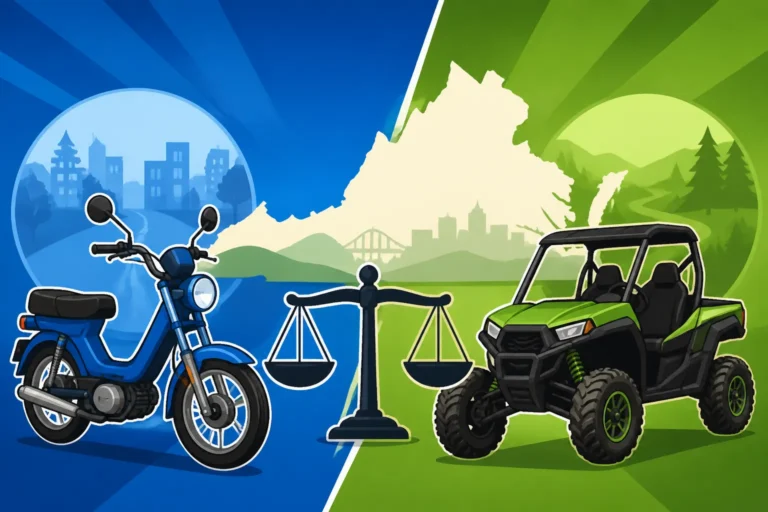
To further understand Virginia's stance, it's helpful to compare ATVs to other recreational or specialized vehicles like mopeds and motorcycles. Both mopeds and motorcycles are distinct from ATVs in the eyes of Virginia law, and both have different insurance requirements. Motorcycles, which are unequivocally street-legal vehicles, are subject to the same mandatory liability insurance laws as cars and trucks. You simply can't legally ride a motorcycle on Virginia's public roads without proper insurance.
Mopeds occupy a somewhat middle ground. While they are low-powered and often used for short trips, they are still considered street-legal vehicles and do require registration, albeit a simplified one. Therefore, mopeds also fall under the mandatory insurance requirements, though the specific rules can be a bit different from full motorcycles. The key here is that both motorcycles and mopeds are defined and regulated for use on public highways.
The table below summarizes the key differences in state-mandated insurance and registration for various vehicle types in Virginia, offering a clearer picture of where ATVs fit:
| Vehicle Type | State-Mandated Insurance? | Requires Road Registration? | Issued License Plate? | Primary Intended Use |
|---|---|---|---|---|
| Car/Truck | Yes | Yes | Yes | Public Roads |
| Motorcycle | Yes | Yes | Yes | Public Roads |
| Moped | Yes | Yes | Yes | Public Roads |
| ATV/UTV | No | No | No | Off-Road / Private Land |
| Dirt Bike (non-conv.) | No | No | No | Off-Road / Private Land |
This comparison clearly shows that the "No" for both insurance and registration for ATVs is consistent with their legal categorization as primarily off-highway vehicles. It's a pragmatic distinction based on where and how the state expects these machines to be operated most often.
The Real-World Implications of Optional ATV Insurance
While the absence of a state mandate for ATV insurance might sound like a cost-saving bonus, it comes with a significant increase in personal risk and financial exposure. It's crucial for every Virginia ATV owner to understand that "not required" does not mean "not necessary." In fact, for many, it means the exact opposite.
Personal Responsibility and Risk
Without mandatory insurance, the full weight of responsibility for any incident involving your ATV rests squarely on your shoulders. If you're riding and, through your actions, cause an accident that injures another person or damages their property, you are personally liable for all the resulting costs. This isn't just about a fender bender; it could involve significant medical bills, long-term care costs, lost wages, and property repair or replacement.
Imagine a scenario: you're out riding on a friend's private land, maybe taking a shortcut across their field. You misjudge a turn, hit an unexpected ditch, and your ATV veers into their prized vintage tractor, causing thousands of dollars in damage. Or, even more seriously, another rider in your group, perhaps a friend or family member, is injured due to a mistake you made while leading the trail. In either case, if you don't have insurance, every single expense, every repair bill, every medical cost could be something you have to pay out of your own pocket. This could be a devastating financial blow, potentially wiping out savings or even forcing you into debt.
This personal responsibility extends to guests or family members riding your machine. If you lend your ATV to a friend, or your child is riding it, and they cause an accident, you could still be held responsible as the owner. It’s a situation where [Virginia Rules for a Child Passenger] or other rider rules become even more critical, but they don't mitigate the financial risk if something goes wrong. This is why many riders, even those on their own land, opt for coverage to protect their family and friends, not just their assets.
Financial Exposure in Case of an Accident
The financial exposure without ATV insurance can be staggering. Unlike a minor car accident where insurance companies handle the claims, a serious ATV incident could lead to direct lawsuits against you. Medical expenses, especially for serious injuries, can quickly climb into the tens or even hundreds of thousands of dollars. Property damage can also be substantial, particularly if you hit another vehicle, a building, or valuable equipment.
Think about the value of your machine itself. Many ATVs and UTVs are significant investments, easily costing as much as a used car. If your machine is stolen, vandalized, or totaled in an accident where you are at fault, without collision or comprehensive coverage, you simply lose that investment. There's no check coming to replace your machine. This can be a harsh reality for those who assumed their homeowner's policy would somehow cover it – a common misconception we'll dive into later. Your off-road machine is an asset, and like any valuable asset, it's vulnerable to loss without specific protection.
Furthermore, if you've financed your ATV, your lender will almost certainly require you to carry insurance, even if the state doesn't. This is a crucial point many buyers overlook. Lenders want to protect their investment, and a totaled or stolen machine without insurance means they lose their collateral. So, while Virginia law might not require it, [Why a Lender Wants a Virginia ATV Titled] and insured is purely a business decision on their part. If you're making payments, you'll find that insurance becomes a de facto requirement through your financing agreement, underscoring the gap between state law and practical financial prudence.
What an Officer Can Ask For at a Trailhead
When you're out riding, especially on a public trail system like those managed by Spearhead Trails or in a National Forest, you might encounter law enforcement or park rangers. While they won't be asking for an insurance card for your ATV itself, they will be checking for other important documents and compliance with riding rules.
They might ask for proof of ownership, like your title or a bill of sale, to ensure the machine isn't stolen. They'll definitely be checking for appropriate trail permits, such as [Virginia Spearhead Trail Permits] or a [Virginia National Forest OHV Permits], if you're on a system that requires them. They'll also be looking for compliance with safety regulations, such as helmet use ([Virginia ATV Helmet Law Explained]), age restrictions ([Virginia ATV Age Requirements]), and any specific equipment requirements like spark arrestors for forest trails.
The absence of an insurance check simply means that particular box isn't on their list of mandatory items for your ATV. However, it doesn't mean you're free from scrutiny regarding other aspects of responsible riding. An officer's concern is primarily about legal operation, safety, and adherence to trail rules. The financial implications of an accident, while not their direct concern at a routine stop, remain entirely your burden if you don't have insurance.
When You Might Still Want ATV Insurance (Even if Not Required)
Given that Virginia doesn't mandate ATV insurance, many riders might wonder why they should bother with the extra expense. However, there are numerous compelling reasons why securing a policy for your off-road machine is a smart, financially responsible decision that offers peace of mind far beyond mere legal compliance.
Protecting Your Investment
Let's face it, ATVs and UTVs are not cheap. Whether you bought a brand new side-by-side or a well-loved used quad, you've made a significant financial investment. Just like you wouldn't leave a new car unprotected, you shouldn't leave your ATV vulnerable to loss. Comprehensive and collision coverage are designed specifically to protect this investment.
Imagine your beautiful new utility vehicle, perhaps a John Deere Gator or a Polaris Ranger, parked in your shed in the Shenandoah Valley. One morning, you go to pull it out for farm work, and it's gone. Without comprehensive insurance, that machine is simply lost, and you're out the entire cost. Or, what if you're riding on a trail, misjudge a turn, and roll your ATV, totaling it? Collision coverage would step in to cover the repairs or replacement, minus your deductible. This kind of protection means that a single unfortunate event doesn't turn into a complete financial disaster. It's about safeguarding your hard-earned money and ensuring you can get back on the trails or back to work without having to buy a whole new machine out of pocket.
This is especially true if you are financing your machine. As mentioned, lenders absolutely want to protect their investment. When you sign those loan papers, one of the clauses will undoubtedly require you to maintain full coverage insurance until the loan is paid off. So, for many, the decision isn't truly "optional" if they've taken out a loan for their ATV. You'll want to ensure your policy meets all the requirements of your lender, which often means both collision and comprehensive coverage.
Mitigating Liability Risks
This is arguably the most critical reason to get ATV insurance, even when it's not legally required. Liability coverage is about protecting you from the financial consequences of accidents where you are deemed at fault. In an off-road environment, even with careful riding, accidents happen. You could collide with another rider, damage someone's property, or even accidentally injure a spectator or passenger.
Consider this scenario: you're enjoying a ride with friends on a designated private trail in Southwest Virginia. You come around a blind corner a little too fast and collide with another ATV, injuring the other rider and significantly damaging both machines. Without liability insurance, you could be facing not only the cost of repairing your own machine but also the medical bills, lost wages, and property damage for the other party. These costs can quickly escalate into tens of thousands of dollars, far more than most people have readily available in savings. A good liability policy acts as a financial shield, covering these costs up to your policy limits, preventing a single mistake from potentially ruining your financial future.
This kind of protection extends beyond just other vehicles. If you accidentally hit a fence, a shed, or cause damage to someone else's landscape, property damage liability would cover it. And if someone riding with you on your machine (if it's designed for a passenger, as [Virginia Passenger Rules on an ATV] specifies) is injured, personal injury liability could help cover their medical expenses. It’s a proactive step to manage the inherent risks of a powerful off-road machine, allowing you to ride with greater peace of mind knowing you're protected against unforeseen circumstances.
Lender Requirements for Financed Machines
If you're like many riders, you might have financed your ATV or UTV purchase. Whether you went through the dealer, a bank, or a credit union, the financing institution has a vested interest in the machine until you've paid off the loan. For this reason, virtually all lenders will require you to carry full coverage insurance on your ATV for the duration of the loan.
This requirement typically includes both comprehensive and collision coverage, ensuring that if the machine is stolen, damaged, or totaled, the lender's investment is protected. They don't want to be left with an outstanding loan balance and no collateral if something happens to your ATV. While [Virginia Has No Street-Legal UTV Path], and thus no state insurance mandate, the lender's terms will override this legal freedom. If you fail to maintain the required insurance, your lender could repossess the machine, add the cost of their own "force-placed" insurance to your loan (which is often very expensive), or declare your loan in default.
So, for anyone making payments on their off-road machine, the question of "should I get insurance?" quickly turns into "I must get insurance to satisfy my loan agreement." It's a critical financial obligation that comes with the territory of financing. When budgeting for your ATV, you absolutely need to factor in the cost of insurance, even if the state doesn't demand it. This ensures you comply with your financing terms and protect your asset at the same time.
Types of ATV Insurance Coverage Available
Navigating the world of insurance can feel like trying to ride a trail blindfolded. There are so many terms and options, it's easy to get confused. When it comes to ATV insurance, even though it's optional in Virginia, understanding the different types of coverage available can help you build a policy that truly protects you and your machine.
Liability Coverage: Protecting Others
This is the cornerstone of any insurance policy, and it's the type of coverage that is legally mandated for street-legal vehicles in Virginia. For ATVs, while not required by the state, it's often considered the most crucial coverage to have. Liability insurance protects you financially if you're at fault in an accident that causes injury to another person or damage to their property.
Liability coverage typically comes in two parts:
- Bodily Injury Liability: This pays for medical expenses, lost wages, pain and suffering, and other related costs for anyone you injure in an ATV accident. If you accidentally hit another rider, a pedestrian, or a passenger on your machine (if legally designed for one), this is the coverage that would kick in.
- Property Damage Liability: This covers the cost of repairing or replacing property you damage with your ATV. This could be another ATV, a fence, a building, a vehicle, or any other physical property.
Choosing appropriate liability limits is vital. While no one wants to pay for more coverage than they need, being underinsured can be just as financially devastating as having no insurance at all. If the costs of an accident exceed your liability limits, you are personally responsible for the difference. Think realistically about the potential damage and injury an ATV, especially a powerful side-by-side, can cause, and choose limits that offer substantial protection for your assets. Many insurers offer various tiers of coverage, allowing you to select limits that align with your perceived risk and financial situation.
Collision and Comprehensive: Protecting Your Machine
These two types of coverage are about protecting your actual ATV or UTV from physical damage or loss. If your machine is a significant investment, these are the coverages that safeguard that asset.
- Collision Coverage: This pays for damage to your ATV if it collides with another object (like another vehicle, a tree, a rock, or even the ground if you roll it). It also covers damage if your ATV overturns. This is the coverage that kicks in if you have an accident and need to repair or replace your own machine. It's often required by lenders who finance your ATV, as it directly protects the collateral on your loan.
- Comprehensive Coverage: This protects your ATV from non-collision-related damage or loss. This includes things like theft, vandalism, fire, floods, falling objects, and even damage from animals. If your ATV is stolen from your garage in the Appalachians, or a tree falls on it during a storm, comprehensive coverage would help cover the cost of replacement or repair. This type of policy feature helps protect your machine even when it's not being ridden, a particularly important consideration if your machine is stored in an unsecured location or if you live in an area prone to natural disasters.
When selecting these coverages, you'll also choose a deductible. This is the amount you pay out of pocket before your insurance coverage kicks in. A higher deductible typically means a lower premium, but it also means you'll pay more upfront if you need to file a claim. It's a balance between monthly cost and potential out-of-pocket expenses.
Other Riders and Medical Payments
Beyond the core liability and physical damage coverages, there are often additional options that can provide even broader protection, especially for those who ride with passengers or want extra medical coverage.
- Uninsured/Underinsured Motorist (UM/UIM) Coverage: While many ATV accidents are single-vehicle or involve parties who know each other, there's always a chance you could be involved in an accident with another rider who either has no insurance or not enough insurance to cover your damages. UM/UIM coverage protects you if that happens, paying for your medical expenses and damage to your ATV if the at-fault party can't.
- Medical Payments (MedPay) or Personal Injury Protection (PIP): These coverages pay for medical expenses for you and your passengers, regardless of who was at fault in an accident. This can be incredibly valuable, as even minor injuries can result in unexpected medical bills. It provides immediate coverage for things like ambulance rides, doctor visits, and hospital stays, without waiting to determine fault. This is especially helpful if you have a high deductible on your health insurance or if you want to ensure quick access to medical care after an accident.
- Accessory Coverage: If you've invested in aftermarket parts, custom paint, winches, lights, or other accessories for your ATV, standard policies might only cover the factory value. Accessory coverage allows you to add specific protection for these customizations, ensuring that your full investment is protected.
By understanding these different types of coverage, you can have a meaningful conversation with an insurance agent and build a policy that specifically addresses your riding habits, your machine's value, and your personal risk tolerance.
How to Find the Right ATV Insurance for Your Needs
Choosing ATV insurance can feel a bit daunting, especially when it's not legally required. Without the state telling you exactly what you need, it's up to you to figure out what level of protection makes sense. This process involves a bit of self-reflection about your riding style and then some diligent shopping around.
Assessing Your Riding Habits and Risks
Before you even start looking at policies, take a moment to consider how and where you typically ride your ATV or UTV. This self-assessment is the foundation for determining what kind of coverage you truly need.
Ask yourself these questions:
- Where do you primarily ride? Is it exclusively on your own private land? Do you frequent public trail systems like Spearhead Trails or Peters Mill Run? Do you ever ride on designated county roads in Buchanan or Tazewell County, where rules might differ slightly? The risks associated with riding on your own controlled property are different from those on a busy public trail shared with many other riders. If you're often on [Virginia Trail Mileage Figures That Disagree] due to varied use, you need flexible coverage.
- How often do you ride? Are you a weekend warrior, hitting the trails every chance you get? Or is your ATV mainly used for occasional chores around the farm, like hauling feed or checking fences? More frequent riding, particularly in challenging terrain, generally increases your exposure to risk and might warrant higher coverage limits.
- Who rides your machine? Are you the sole operator? Do you let friends, family members, or even minors ride your ATV? If others, especially less experienced riders, use your machine, your liability risk increases significantly. This is especially true if you have a multi-passenger side-by-side. [Virginia Rules for a Child Passenger] and age restrictions are critical here, but they don't erase the financial liability if an accident occurs.
- What is the value of your ATV? Is it a vintage quad you picked up for a song, or a brand-new, top-of-the-line UTV with all the bells and whistles? The value of your machine will heavily influence how much physical damage coverage (collision and comprehensive) you'll want to carry.
- Do you have any aftermarket modifications? If you've added expensive accessories like a winch, plows, upgraded suspension, or custom lighting, you'll need to ensure these are specifically covered, as standard policies might not account for their added value.
Thinking through these points will give you a clear picture of your personal risk profile and help you prioritize which types of coverage are most important for your situation. For instance, if you only ride on your secluded private land, your need for robust liability might be lower than someone who regularly visits crowded public trailheads.
Comparing Providers and Quotes
Once you have a good idea of your needs, it's time to start shopping around. Don't just go with your existing car insurance provider without checking other options. Many insurance companies offer specialized ATV insurance policies, and some may have better rates or more tailored coverage for off-road vehicles.
Start by contacting a few different insurance providers. Many major insurers, like Progressive, Geico, Allstate, and State Farm, offer ATV policies. You can also look into specialty insurers that focus on recreational vehicles. Gather quotes from at least three different companies. When comparing, make sure you're getting quotes for the same types and levels of coverage. It's easy to get confused if one quote is for bare-bones liability and another includes full comprehensive and collision.
Don't be afraid to use online comparison tools, but also consider talking to an independent insurance agent. An independent agent can often shop multiple companies for you, helping you find the best rates and coverage that meet your specific needs. They can also explain the nuances of each policy and highlight any exclusions or limitations that might be important for your Virginia riding context. They might even offer insights on [What an Insurer Asks for on an Untitled Virginia Quad] if that's a situation you face. Always be transparent about where you ride, how you use the machine, and any existing loans to ensure accurate quotes and prevent issues later.
Important Questions to Ask Your Agent
When you're speaking with an insurance agent, whether independent or working for a specific company, come prepared with a list of questions. This ensures you get all the information you need to make an informed decision.
Here are some key questions to ask:
- "What specific coverages do you recommend for my riding habits (describing your assessment from above)?"
- "What are the liability limits available, and what do you suggest for my situation?"
- "Does this policy cover passengers on my multi-passenger side-by-side?"
- "Is there any coverage for my ATV if I lend it to a friend or family member?"
- "Are my aftermarket accessories covered, and if so, up to what amount? Do I need additional accessory coverage?"
- "Does my homeowner's insurance policy offer any overlapping coverage, or are ATVs typically excluded?" (Most homeowner's policies have very limited, if any, coverage for motorized vehicles, especially when they leave your property).
- "What are the deductibles for collision and comprehensive coverage, and how do they impact my premium?"
- "Are there any discounts available for multi-policy bundling, safety courses, or anti-theft devices?"
- "What are the payment options, and are there any fees for monthly payments?"
- "What is the claims process like, and how quickly are claims typically handled?"
- "If I finance my ATV, what documentation will you provide to my lender to prove coverage?"
By asking these detailed questions, you'll gain a much clearer understanding of what you're buying, ensuring there are no surprises down the road. Remember, the goal is to get comprehensive protection that aligns with your specific needs and offers true peace of mind while enjoying the trails or working on your farm in Virginia.
Common Misconceptions About ATV Insurance in Virginia
Because Virginia's stance on ATV insurance is somewhat unique, it's easy for riders to fall prey to common misunderstandings. These misconceptions can lead to a false sense of security or, worse, leave you dangerously unprotected when an incident occurs. Let's clear up some of the most prevalent myths.
Thinking Your Car Policy Covers It
This is perhaps the most common and potentially most dangerous misconception: the belief that your existing auto insurance policy for your car or truck will automatically extend to cover your ATV. Many people assume that since it's another vehicle, it will naturally fall under their existing policy's umbrella. This is almost never the case.
Auto insurance policies are specifically designed for street-legal vehicles that operate on public roads. They contain exclusions for off-road vehicles like ATVs, UTVs, and dirt bikes. If you were to get into an accident on your ATV and try to file a claim under your car insurance, you would very likely be denied. Your car insurance simply isn't written to cover the specific risks and environments associated with off-road riding. The legal definitions of "motor vehicle" and "covered vehicle" in auto policies typically focus on those meant for highway use.
This misconception can leave you completely exposed, thinking you're insured when you're not. Imagine the devastation of having a serious accident, only to find out your trusted auto policy won't pay a dime for medical bills or property damage. It's a harsh lesson that's best avoided by proactively seeking a separate, dedicated ATV insurance policy. Always check with your auto insurer, but be prepared for them to tell you that you need a separate policy for your off-road machine.
Believing All Off-Road Vehicles Are Treated Equally
Another common pitfall is lumping all off-road vehicles into the same category regarding insurance. While ATVs and UTVs might seem similar to dirt bikes, or even modified Jeeps used for off-roading, their legal and insurance treatment can vary. Virginia's laws are quite specific in their definitions.
For instance, while a standard dirt bike (not converted for street use) also doesn't require state-mandated insurance in Virginia, the type of riding and the associated risks can be different from a utility-focused side-by-side or a sport quad. More importantly, certain types of utility vehicles or even golf carts, if used in specific ways (e.g., on a farm or private community), might have slight variations in how they are viewed by insurance companies, even if the state's general insurance mandate for off-road vehicles remains absent. [Virginia ATV and Utility Vehicle Definitions] are distinct for a reason, and these definitions can influence insurance offerings.
Furthermore, if you are considering converting a dirt bike to be street-legal in Virginia (which is possible under specific conditions), then the entire insurance landscape changes. A street-legal dirt bike would then fall under the mandatory insurance requirements for motorcycles. But [Why a Side-by-Side Can Never Be Made Street Legal] means UTVs and ATVs will never enter that realm of mandatory road insurance. This highlights the importance of understanding the specific classification of your machine and not assuming a one-size-fits-all approach to off-road vehicle insurance.
Assuming a Lender Won't Require It
We've touched on this, but it bears repeating because it's a critical point often overlooked by buyers. Even though Virginia law doesn't require ATV insurance, any financial institution that lends you money to purchase an ATV or UTV almost certainly will require it. This isn't a state mandate; it's a lender's requirement to protect their investment.
When you finance your machine, the lender technically owns a stake in it until the loan is paid off. They need to ensure that if the ATV is stolen, damaged, or destroyed, they can recover their money. This means they will typically mandate that you carry comprehensive and collision coverage on the ATV for the entire term of the loan. Failure to do so would be a breach of your loan agreement, which could lead to severe consequences, including the lender repossessing your machine, force-placing expensive insurance on your loan, or accelerating the full payment of your loan.
So, while you might legally own an ATV in Virginia without insurance if you paid cash, if you're making payments, that option is off the table. Always read your loan documents carefully, as the insurance requirements will be clearly spelled out. Factoring in the cost of insurance is an essential part of budgeting for a financed ATV, a part of [Virginia Financing an Off-Road Machine in Virginia] that cannot be ignored.
Beyond Insurance: Other Important Virginia ATV Rules
While Virginia doesn't require ATV insurance, the Commonwealth does have a comprehensive set of rules and regulations governing the safe and responsible operation of these machines. Understanding these laws is paramount for every rider, not just for safety, but to avoid fines and potential legal issues.
Virginia ATV Helmet Law Explained
One of the most critical safety regulations for ATV riders in Virginia concerns helmets. Virginia law explicitly states that every person operating or riding on an ATV must wear a protective helmet. This isn't just for kids or inexperienced riders; it applies to everyone, regardless of age or skill level.
The helmet must meet the standards set by the Snell Memorial Foundation, the American National Standards Institute (ANSI), or the U.S. Department of Transportation (DOT). This means you can't just wear any old hat or bicycle helmet; it needs to be certified for motorcycle or ATV use. The purpose of this law is simple: to prevent head injuries, which are often the most severe and life-altering in ATV accidents. [Why Virginia Adults Must Wear a Helmet, Not Just Kids] is rooted in the harsh reality of off-road crashes.
Failing to wear a proper helmet can result in a civil penalty, and more importantly, it significantly increases your risk of serious injury or fatality in an accident. Whether you're riding on your own property, a friend's farm, or a public trail, the helmet law applies. This is one area where personal freedom gives way to public safety, and rightly so. Always make sure your helmet fits properly, is in good condition, and meets the required safety standards.
Virginia ATV Age Requirements
Virginia also has specific age and engine size restrictions designed to protect younger riders. These rules are crucial for parents and guardians to understand, as violations can lead to penalties and, more importantly, put children at undue risk.
Here's a breakdown of the age restrictions:
- Under 12 years old: Cannot operate an ATV with an engine size greater than 70 cubic centimeters (cc).
- 12 to 16 years old: Cannot operate an ATV with an engine size greater than 90 cc.
- 16 years and older: Can operate an ATV of any engine size.
It's important to note that these are state laws, not just manufacturer recommendations. There is also no supervision escape clause in Virginia law; simply having an adult present does not override these engine size restrictions for minors. A parent allowing a child to ride a machine larger than legally permitted could face penalties. [Virginia Rules for a 13-Year-Old Rider] for example, are very specific about engine size. These rules are in place because larger, more powerful machines are more difficult to control and require a higher level of physical and cognitive maturity.
These age restrictions are often checked at organized trail systems like Spearhead Trails, where rangers are vigilant about rider compliance. Ensuring your child is on an appropriately sized machine is not just about following the law; it's about providing them with a safer riding experience and fostering responsible habits from a young age.
Virginia Bans ATVs on Public Highways
This is another critical rule that many ATV owners misunderstand, often leading to costly citations. With very limited exceptions, Virginia law prohibits the operation of ATVs on public highways and public property. This includes state-maintained roads, county roads, city streets, and even public sidewalks or parkland unless explicitly designated for ATV use.
The few exceptions include:
- Crossing a highway: By the most direct route, at approximately a 90-degree angle, after coming to a complete stop and yielding to all traffic. This is for getting from one private property to another, not for traveling down the road.
- Farm use: For bona fide farm purposes on agricultural land, or traveling on a highway to move between fields for up to one mile, with proper signage. [Virginia Farming and Household Exceptions] are quite narrow.
- Emergency response: Law enforcement, fire, and rescue personnel operating ATVs in official capacities.
- Designated coalfield routes: In Buchanan and Tazewell counties, local boards of supervisors may designate certain unpaved roads for ATV use under very specific conditions, such as during daylight hours and with a 25 mph speed limit. [Virginia Road Access in the Coalfields] is a unique feature.
Ignoring this ban can lead to significant civil penalties, which can be up to $500 per violation. It can also lead to your ATV being impounded by city or county authorities. The intent behind this law is clear: ATVs are not designed for road use; they lack features like turn signals, rearview mirrors, and often tires suitable for pavement, making them a hazard in traffic. If you want to ride legally in Virginia, stick to private land or designated off-road trail systems. Understanding [The Five ATV Bans Written Into Virginia Law] is essential for every rider to avoid trouble.
Disclaimer
This article is for general informational purposes only and does not constitute professional advice. Laws, prices and regulations vary by location and change over time. Consult a qualified professional for guidance on your specific situation.