Virginia’s July 2006 Titling Cutoff
Figuring out the ins and outs of ATV and UTV titling in Virginia can feel like trying to solve a puzzle with half the pieces missing, especially when you're dealing with machines bought years ago. Many riders find themselves scratching their heads over whether their trusty quad needs a title, or how to prove ownership if it doesn't. This guide is here to untangle the confusion, focusing specifically on the critical July 2006 cutoff date that changes everything for Virginia ATV owners, helping you understand what paperwork you need for your machine.
The Root of the Confusion: Why July 1, 2006 Matters
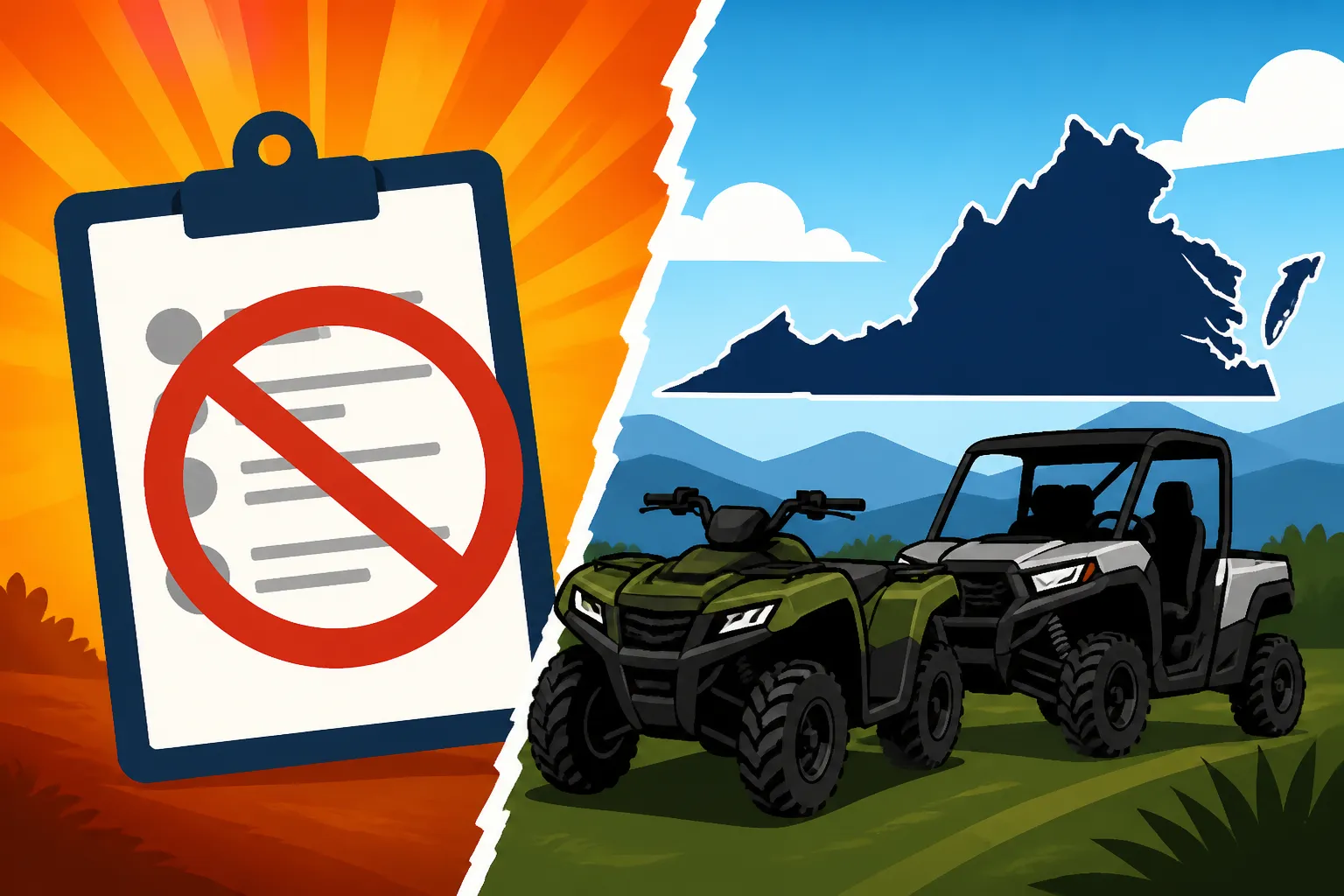
Virginia’s rules for ATV titling aren't as straightforward as car titles, and that's often where the frustration begins. Unlike your family sedan, not every ATV or utility vehicle in the Commonwealth has to be titled. The determining factor for many machines boils down to a single date: July 1, 2006. This isn't just a random date; it's when Virginia's titling laws for these off-road machines saw a significant overhaul, creating two distinct paths for ownership documentation depending on when your machine first hit the market.
Understanding the Legislative Change
Before July 1, 2006, the state didn't mandate titles for ATVs. You could buy a brand-new quad, ride it for years, and sell it without ever needing a piece of paper from the Department of Motor Vehicles to prove you owned it. This was great for simplicity, but it often led to headaches when machines changed hands multiple times, or if there was ever a question of theft or clear ownership. Without a centralized record, tracking these machines could be a nightmare. The legislative change was an effort to bring more accountability and a clear ownership trail to the burgeoning off-road vehicle market.
This shift didn't retroactively apply to every ATV ever sold. Instead, it drew a line in the sand. Machines sold new before that date were grandfathered in under the old system, meaning they weren't suddenly required to have a title. This distinction is absolutely crucial because it means you might have two identical ATVs sitting side-by-side, one of which legally requires a title, and the other where it's purely optional. It’s no wonder so many riders feel confused by this dual system.
The Impact on New Machine Purchases
For any ATV or UTV purchased brand new on or after July 1, 2006, the law changed everything. From that point forward, if your machine was 50cc or larger, it was subject to mandatory titling. This means when you bought a new quad from a dealer, part of that transaction included the dealer submitting the necessary paperwork to the DMV to get a title issued in your name. [Virginia Titles Machines Bought New Since 2006] covers this in more detail. It established a clear chain of ownership from the manufacturer, through the dealer, and finally to you, the first owner.
This process ensures that every new machine has a verifiable owner, which helps combat theft and provides a clear record for sales and financing. For new buyers, it's a relatively seamless process, as the dealer typically handles most of the heavy lifting, including collecting sales tax and submitting the application. They provide you with the Manufacturer's Statement of Origin (MSO), which is the birth certificate of your machine, and that MSO is then used to apply for your first title.
Why Used Machines Have Different Rules
The rules get a bit more nuanced when you start talking about used ATVs and UTVs. The July 1, 2006, cutoff still applies, but its implications are different. If you're buying a used machine that was originally sold new before that date, you generally aren't required to get a title for it. It might never have had a title in its life, and that's perfectly legal. This can be a huge relief for someone trying to buy an older quad, as it simplifies the paperwork significantly.
However, if you're buying a used machine that was originally sold new on or after July 1, 2006, then that machine should have a title. The seller should be able to provide you with the properly signed-over title certificate. If they can't, it raises red flags and you might be facing a situation where you need to jump through extra hoops to establish ownership. This is often where the real headaches begin for buyers and sellers of older, untitled machines. It's a key distinction that impacts everything from how you prove ownership to how a lender might view the machine.
Machines Purchased New On or After July 1, 2006
If you're the proud owner of an ATV or UTV that rolled off the showroom floor in Virginia any time since July 1, 2006, then the state's titling requirements very likely apply to you. This is the easier side of the coin, in many ways, because the process for these newer machines is more clearly defined and usually initiated right at the point of sale. Understanding these rules is essential not just for peace of mind, but also for future sales and financial transactions.
The Mandatory Titling Requirement
For any ATV with an engine size of 50cc or more, bought new in Virginia from July 1, 2006, onward, a title is not just a suggestion – it's a legal requirement. This means that when you purchase such a machine from a dealership, they are legally obligated to process the titling paperwork for you. [Virginia Titles Required on Machines Over 50cc] lays out the specifics of this rule. The DMV needs to know who the legal owner is, and the title serves as that official record.
This mandatory titling applies to the first sale of the machine. Once it has a title, that title will transfer with the machine through subsequent private sales. If you buy a used machine that was originally purchased new after the cutoff date, you should absolutely expect to receive a Virginia title, properly signed over by the seller. If you don't get one, you might encounter difficulties proving ownership down the line, which can be a real headache if you ever need to sell it, finance it, or even make an insurance claim.
What Paperwork You Need (MSO)
When you buy a brand-new ATV or UTV from a dealer, the most critical piece of paper you'll receive (or rather, that the dealer will use to get your title) is the Manufacturer's Statement of Origin, often abbreviated as MSO. Think of the MSO as the machine's birth certificate. It certifies that the vehicle meets federal safety standards and includes vital information like the Vehicle Identification Number (VIN), make, model, year, and engine size. [The MSO You Need to Title a New Quad] further explains its importance.
The dealer will complete the MSO by filling in your name and address as the first owner and then send it, along with your title application (Virginia Form VSA 17A), to the DMV. The DMV then uses this information to issue your official Virginia Certificate of Title. If you're buying a used machine that was originally titled, you won't get an MSO; instead, you'll receive the existing title from the seller, which you'll then use to apply for a new title in your name. Losing an MSO can cause significant delays in titling, so it's paramount that dealers handle it with care and that buyers understand its role.
How Sales Tax Plays a Role
Another important aspect of purchasing a new ATV or UTV on or after the 2006 cutoff is sales tax. Unlike cars, which have a specific motor vehicle sales and use tax rate, ATVs and UTVs are generally subject to Virginia's standard retail sales tax rate. This tax is typically collected by the dealer at the time of purchase and is included in your "out-the-door" price. The dealer then remits this tax to the state.
When you apply for your title, the DMV will verify that sales tax was paid. If you purchased the machine from a private seller, you would be responsible for paying the sales tax directly to the DMV when you apply for your title, unless a specific exemption applies (like certain farm-use exemptions or if the machine was titled out-of-state and sales tax was already paid there). This sales tax collection ensures that the state receives its due revenue and is another reason why having a clear paper trail, including a bill of sale, is so important even for off-road machines.
Machines Purchased New Before July 1, 2006
For owners of those classic, pre-2006 ATVs and UTVs, the titling landscape is quite different. These machines often represent a significant portion of the used market, and understanding their unique status is key to avoiding unnecessary stress. The absence of a mandatory title requirement for these older machines offers both flexibility and, sometimes, its own set of challenges.
Optional Titling for Older Machines
Here’s the good news for many long-time riders and those seeking a budget-friendly used quad: if your ATV or UTV was originally purchased new before July 1, 2006, Virginia law does not require it to have a title. It's truly optional. This means that many older machines out there have simply never been titled, and that’s perfectly fine and legal in Virginia. You can continue to own, use, and even sell such a machine without ever needing to go through the titling process at the DMV. [Virginia Titles Are Optional on Used Machines] explains this more fully.
However, just because it's optional doesn't mean it's never a good idea. Some owners choose to title their older machines even when not required, simply to establish a clear, official record of ownership. This can be particularly beneficial for insurance purposes, proving ownership in case of theft, or simplifying a future sale where the buyer might prefer a titled machine. It's a personal choice based on your specific situation and comfort level with the existing documentation.
Proving Ownership Without a Title
So, if an older machine doesn't have a title, how do you prove it's yours? This is a common question, and the answer lies in building a strong paper trail. A detailed bill of sale is your absolute best friend here. This document should clearly identify the machine (make, model, year, VIN), the seller's and buyer's information, the date of sale, and the purchase price. Having both parties sign and date it, and ideally getting it notarized, adds significant weight to its validity. [Building a Paper Trail When You Buy a Used Quad] emphasizes this point.
Other supporting documents can include old registration cards (if it was registered in another state that required it), maintenance records, or even sworn affidavits from previous owners. The more documentation you have linking the machine to you, the stronger your claim of ownership. While a title is the gold standard, these alternative documents are crucial for pre-2006 machines. It’s about creating a verifiable history that stands up to scrutiny, rather than relying on a single state-issued document.
Situations Where Titling Is Still a Good Idea
Even with optional titling for pre-2006 machines, there are several scenarios where pursuing a title is highly advisable:
- For financing: If you're looking to take out a loan against your ATV, most lenders will require a title. They need that official document to record their lien and protect their investment. Without it, securing a loan can be very difficult.
- For insurance claims: While not always strictly necessary, having a title can significantly streamline the process if your machine is stolen or totaled. It provides indisputable proof of ownership to your insurance company, potentially speeding up your claim.
- Preventing disputes: If you ever sell the machine, a title can make the transaction much smoother for both parties. It eliminates ambiguity about ownership and provides confidence to the buyer. It can also help prevent future disputes if the machine were ever abandoned or involved in an incident.
- Crossing state lines: If you plan to move to a state that does require ATV titling for all machines, having a Virginia title already can simplify the process of re-titling in your new state. [Virginia Accepts an Out-of-State Title] demonstrates how this can work.
It's a balance of convenience versus official documentation, but for many, the peace of mind offered by a title outweighs the minor effort of obtaining it, even if not legally compelled to do so.
The Bill of Sale and Affidavits: Your Paper Trail
Whether your ATV needs a title or not, maintaining a robust paper trail is incredibly important. This is especially true in Virginia, where the titling rules can vary so much based on the age and origin of the machine. These documents aren't just bureaucratic hurdles; they are your proof of ownership, your defense against fraud, and your key to smooth transactions.
The Importance of a Solid Bill of Sale
A well-crafted bill of sale is the cornerstone of proving ownership for any ATV or UTV, especially those that aren't titled. For pre-2006 machines, it might be the only official document you have linking you to your quad. But even for titled machines, a bill of sale serves as a detailed record of the transaction. It's not just a receipt; it's a legal contract outlining the terms of the sale.
A good bill of sale should include:
- The full names and addresses of both the buyer and the seller.
- A clear description of the ATV/UTV, including its make, model, year, and crucially, its Vehicle Identification Number (VIN). Double-check that VIN against the machine itself!
- The purchase price and date of sale.
- A statement that the seller is the legal owner and that the machine is free of any liens.
- Signatures of both parties.
Having it notarized adds another layer of authenticity, as a notary public verifies the identities of the signers. While a simple handwritten note can technically serve as a bill of sale, using a formal template provides greater legal protection and clarity. Companies like LawDepot offer customizable bill of sale templates that can be incredibly helpful for private party transactions, ensuring all the necessary legal language is included. It’s an easy step that can save you a world of trouble later on.
When a Notarized Affidavit is Necessary
Sometimes, you might find yourself in a situation where the ideal paperwork simply doesn't exist. Perhaps you bought an older, untitled ATV years ago and never got a proper bill of sale, or the original seller is unreachable. In these cases, a notarized affidavit can be a lifesaver. An affidavit is a sworn statement of facts, made under oath and witnessed by a notary public.
Virginia Form VSA 12M, titled "Affidavit in Lieu of Title Certificate," is specifically designed for situations where a title is missing or unobtainable for an older machine. [Virginia Form VSA 12M Affidavit] provides more details. This form allows you to attest, under penalty of perjury, that you are the rightful owner of the ATV and that you have no knowledge of any liens or disputes. You'll need to provide as much information about the machine and its ownership history as possible.
While a notarized affidavit isn't a replacement for a title, it's a critical tool for establishing a legal claim of ownership for machines that may not have a traditional title history. It’s a way for the DMV to consider your request for a title, or for you to prove ownership to other entities like insurance companies, when other documents are scarce.
Using Legal Templates for Peace of Mind
Navigating legal documents can be daunting for anyone, which is why utilizing professional legal templates is often the smartest move. Instead of trying to draft a bill of sale or an affidavit from scratch, which can lead to omitted crucial details or incorrect legal phrasing, templates provide a structured, comprehensive framework. These templates are designed by legal professionals to cover all the essential points required by law.
For example, a service like LawDepot can provide readily available templates for a bill of sale, ensuring all the necessary fields are included and the language is legally sound. This minimizes the risk of errors that could invalidate your document or cause issues in a future transaction. Using such a template ensures that your paperwork is thorough and professional, giving both buyers and sellers confidence in the transaction. It's a small investment in time and potentially a minor cost that offers immense peace of mind and protection.
Titling a Used ATV: Navigating the Options
Buying or selling a used ATV in Virginia can sometimes feel like a game of chance, especially with the different titling requirements based on the machine's age and original purchase date. Whether your quad is new to you or you're passing it on, understanding the proper titling procedures is essential for a smooth, legal transaction.
Titling a Used Machine from a Titled Owner
If you're buying a used ATV that was already titled in Virginia (which would be the case for most machines originally bought new after July 1, 2006, or any older machine whose owner chose to title it), the process is relatively straightforward. The seller should provide you with the physical Virginia Certificate of Title, which they will have signed over to you. Make sure their signature is in the designated "Assignment of Title" section, and that all their information, including printed name and address, is clear and matches the title.
You, as the buyer, will then take this properly assigned title to the DMV along with a completed [Virginia Form VSA 17A Explained]. You'll need to pay the title fee (which is a standard amount, usually quite modest) and any applicable sales tax. The DMV will then process this information and issue a new title in your name. It's crucial to apply for your new title promptly after purchase to avoid any potential late fees or issues. [How to Title an ATV in Virginia] offers a step-by-step guide to this process. This method provides the clearest chain of ownership and is generally the least problematic.
Titling a Used Machine Without a Previous Title
This is where the July 2006 cutoff truly comes into play. If you're buying a used ATV that was originally purchased new before July 1, 2006, and has never been titled, you have two main options: you can either choose not to title it (which is perfectly legal in Virginia, relying instead on a strong bill of sale), or you can initiate the process to get an original title for it. [Virginia Used ATVs Need No Title] reinforces this optionality.
If you decide to title an older, previously untitled machine, you'll need to present a robust paper trail to the DMV. This typically includes a detailed, notarized bill of sale from the person you bought it from, and potentially a [Virginia Form VSA 12M Affidavit] if there's any ambiguity in the ownership history. The DMV will review your documentation to ensure clear ownership before issuing a title. This process can sometimes take a bit longer and may require more interaction with DMV staff to verify your documentation. The goal is to convince the DMV that you are the rightful, legitimate owner in the absence of a prior state-issued title.
Lien Holders and Their Titling Demands
A common reason why a buyer of a used ATV might have to title a machine, even if it falls under the optional category (pre-2006 purchase), is if they are financing it through a bank, credit union, or other lender. Lenders almost universally require a title to be issued in the borrower's name, with the lender's interest recorded as a lien on that title. This protects their investment. Without a title showing their lien, the lender has no official claim to the machine if the borrower defaults on the loan.
If you're using financing for a used ATV, be prepared for your lender to insist on the titling process, regardless of whether Virginia law generally makes it optional for that specific machine. They will typically require proof that you have applied for the title with their lien recorded. This might mean the lender handles some of the paperwork or instructs you precisely on how to ensure their lien is properly noted at the DMV. This is a pragmatic business requirement for lenders, ensuring they have legal recourse if necessary.
Common Scenarios and Frequently Asked Questions
The July 2006 titling cutoff, combined with the optional nature of titling for many used machines, naturally leads to a lot of questions. It's easy to feel lost in the details, so let's tackle some of the most common real-world scenarios that riders and sellers face in Virginia.
Selling an Older, Untitled Machine
You’ve got a perfectly good ATV that you bought back in 2005. It's served you well, but now it's time for a new home. Since it was purchased new before July 1, 2006, it probably doesn't have a Virginia title, and that's completely acceptable under state law. The question then becomes, how do you legally sell it? [Selling a Machine Without a Title in Virginia] details this process.
The key is a meticulously prepared bill of sale. This document becomes the primary proof of ownership transfer. Make sure it contains all the essential information: your full name and address as the seller, the buyer's full name and address, the make, model, year, and VIN of the ATV, the sale price, and the date of the transaction. Both you and the buyer should sign and date it, and having it notarized adds a significant layer of legal protection for both parties. While you're not obligated to provide a title, a buyer might request one, or feel more comfortable if you assist them in applying for an original title, even if optional. Transparency is always best in these situations.
Buying a Used ATV in Virginia
Whether you're browsing online listings or checking out machines in person, buying a used ATV in Virginia requires a bit of detective work, largely due to that 2006 cutoff. Your first question to the seller should always be about the machine's age and its title status. [Buying From a Private Seller in Virginia] highlights key considerations.
- If it's a newer machine (new purchase on/after July 1, 2006): The seller must provide you with a properly assigned Virginia Certificate of Title. If they don't have one, or claim it's lost, proceed with extreme caution. Getting a duplicate title is their responsibility before the sale.
- If it's an older machine (new purchase before July 1, 2006): A title may not exist, and that's okay. In this case, demand a comprehensive, notarized bill of sale. Verify the VIN on the bill of sale matches the machine itself. Ask about its history. If the machine has a title, even if optional, that's often a bonus for clarity.
Always verify the VIN on the machine against any paperwork provided. Be wary of deals that seem too good to be true, especially if paperwork is missing or vague. A little due diligence up front can save you from a major headache (or a stolen machine) down the road.
What an Officer May Ask for on the Trail
Riders often worry about getting stopped by law enforcement on trails or private property and what documents they might need to produce. It's a valid concern, and knowing what to expect can ease anxieties. While Virginia ATVs are titled, they are NOT registered, so you won't be asked for a registration card or plate. [Virginia Titles ATVs but Never Registers Them] covers this important distinction.
Generally, an officer may ask for proof of ownership. If your ATV has a title, you should be able to produce it (or a copy, though an original is always best). If it's an older, untitled machine, your bill of sale is your primary document. It's also wise to carry a form of personal identification. The goal for law enforcement is often to ensure the machine isn't stolen and that you're the rightful operator. While they can't demand a title for a pre-2006 machine, a strong paper trail demonstrating ownership will always facilitate a smoother interaction.
Dispelling Myths About ATV Registration and Plates
There's a persistent misconception that ATVs and UTVs in Virginia need to be registered with the DMV, similar to how cars, motorcycles, or even some trailers are. This simply isn't true. Understanding this crucial difference can save you a lot of confusion and unnecessary trips to the DMV.
No Registration or Plates for Virginia ATVs
Let's clear this up unequivocally: Virginia does not register ATVs or UTVs for operation. You will never receive a registration card, license plates, or yearly decals for your off-road machine from the Virginia DMV. This applies to all ATVs and UTVs, regardless of when they were purchased or whether they have a title. [Virginia Issues No Plates for ATVs] and [Virginia Issues No Decals for ATVs] underscore this fact.
The reason for this is simple: ATVs and UTVs are generally not permitted on public roads and highways in Virginia. Since they aren't intended for highway use, they don't fall under the same registration requirements as street-legal vehicles. This often surprises new riders, especially those moving from states with different off-road vehicle laws, but it's a fundamental aspect of Virginia's ATV regulations.
The Difference Between Titling and Registering
It's easy to conflate "titling" and "registering," but they serve distinct legal purposes, especially for ATVs in Virginia.
- Titling: This is the process of establishing and recording legal ownership of a vehicle with the state. The Certificate of Title is the official document that proves who owns the machine. For ATVs over 50cc bought new on or after July 1, 2006, titling is mandatory. For older machines, it's optional but often advisable. [Virginia ATV and Utility Vehicle Definitions] helps clarify which machines these rules apply to.
- Registering: This is the process of getting permission from the state to operate a vehicle on public roads and highways. It involves paying annual fees and receiving license plates and decals. This is what you do for your car, truck, or motorcycle.
For an ATV in Virginia, you might have a title proving you own it, but you will never have a registration allowing you to legally drive it on a public road (outside of very specific, limited exceptions in certain coalfield counties). The two concepts are entirely separate in the context of off-road vehicles in the Commonwealth.
Why Virginia's System is Unique
Virginia's approach to ATV titling and registration is certainly unique compared to some other states. Many states require both titling and some form of off-highway vehicle (OHV) registration or decal for trail use, even if no license plate is issued. Virginia generally relies on trail permits for access to specific public trail systems, like the Spearhead Trails, rather than a statewide OHV registration.
This system, born from legislative changes and the specific cultural context of off-road riding in the state, means less recurring paperwork for owners but places a greater emphasis on understanding the initial titling rules, especially the July 2006 cutoff. It also means that for most riders, the focus remains on personal identification and proof of ownership (title or bill of sale) when questioned by authorities, rather than on annual registration documents. It's a system that can be confusing at first glance, but once you understand the core distinctions, it makes more sense.
| Feature | Machines Bought New On or After July 1, 2006 (50cc+) | Machines Bought New Before July 1, 2006 (any cc) |
|---|---|---|
| Titling Required? | Yes, mandatory | No, optional |
| Initial Document? | Manufacturer's Statement of Origin (MSO) | Bill of Sale (primary) |
| Proof of Ownership | Virginia Certificate of Title | Bill of Sale, Notarized Affidavit (VSA 12M) |
| Sales Tax Due? | Yes, at purchase (dealer) or titling (DMV) | Yes, at titling (DMV), if you choose to title it |
| Registration? | No (Never registered) | No (Never registered) |
| License Plates? | No | No |
| Lien Holder Req.? | Yes, lender will record lien on title | Yes, if financed, lender will require titling |
Disclaimer
This article is for general informational purposes only and does not constitute professional advice. Laws, prices and regulations vary by location and change over time. Consult a qualified professional for guidance on your specific situation.